
Car Problems
Cylinder Head Temperature Sensor: Function, Symptoms & Replacement Cost

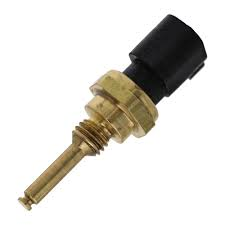
Fuel delivery, ignition timing, and overall engine safety are all significantly influenced by the cylinder head temperature sensor (CHT sensor), a tiny but crucial engine component. This sensor allows the engine to run effectively in both cold-start and high-temperature situations by continuously measuring the cylinder head’s temperature and sending real-time data to the engine management unit (ECU).
A malfunctioning cylinder head temperature sensor can result in instant drivability issues, such as hard starting, poor fuel economy, rough idling, or even engine overheating, in contrast to many engine parts that deteriorate gradually.
The accuracy of the CHT sensor is crucial for avoiding expensive engine damage because it is more significant than the coolant temperature sensor in some vehicles, particularly air-cooled and some European engines.
This blog post explains what a cylinder head temperature sensor is, how it functions, why it’s crucial, typical failure symptoms, diagnostic techniques, replacement costs, and maintenance advice.
This book will assist you in making well-informed decisions regarding your car’s engine temperature management system, whether you’re an enthusiast attempting to maintain optimal engine performance or a car owner trying to interpret a check engine light.

What Is a Cylinder Head Temperature Sensor?
An engine-mounted temperature sensor called a cylinder head temperature sensor (CHT sensor) measures the temperature of the cylinder head metal itself, not the coolant passing through the engine.
The engine control unit (ECU) can precisely monitor engine heat levels thanks to this direct temperature monitoring, particularly in situations where coolant temperature alone does not give a full picture of engine operating temperature.
As an additional temperature sensor, the cylinder head temperature sensor is frequently utilized in air-cooled engines and some liquid-cooled automobiles.
The sensor must be designed to endure high temperatures while providing accurate data to the ECU since the cylinder head is subjected to intense heat during combustion. Since the majority of CHT sensors are thermistors, their electrical resistance varies with temperature.
Definition and Basic Function
The cylinder head temperature sensor’s main job is to let the ECU know how hot the cylinder head is at any given time. The ECU uses this data to modify a number of crucial engine parameters, such as:
-
Fuel injection timing and fuel mixture
-
Ignition timing
-
Idle speed during cold starts
-
Engine cooling fan operation (in some vehicles)
-
Emissions control strategies
The ECU may increase the fuel mixture to enhance warm-up and starting while the engine is cold. To avoid knocking, overheating, or engine damage, the ECU gradually leans the mixture and improves ignition timing as the cylinder head temperature increases.
Where the Cylinder Head Temperature Sensor Is Located
To precisely monitor metal temperature, the cylinder head temperature sensor is usually screwed directly into the cylinder head. Typical places to mount include:
-
Near the combustion chamber
-
Between cylinders
-
Close to the exhaust valve area
The sensor can malfunction over time because of its placement, which exposes it to extreme heat and vibration. In certain engines, the sensor is readily accessible from the top of the engine bay, but in others, it could be necessary to remove intake parts or engine covers.
How a Cylinder Head Temperature Sensor Works
Engine heat is transformed by the cylinder head temperature sensor into an electrical signal that the engine control unit (ECU) can decipher. The ECU heavily depends on this sensor’s input to perform real-time changes that keep the engine operating smoothly under all driving situations because temperature directly influences combustion efficiency and engine safety.
The ECU can react fast to cold starts, severe engine loads, or overheated circumstances since the majority of cylinder head temperature sensors are made to react swiftly to temperature changes. In engines that do not rely entirely on coolant temperature for thermal control, this quick reaction time is particularly crucial.
Sensor Design and Temperature Measurement
A cylinder head temperature sensor typically uses a Negative Temperature Coefficient (NTC) thermistor. This means:
-
High resistance at low temperatures
-
Low resistance at high temperatures
The internal resistance of the sensor decreases when the cylinder head heats up. Accurate measurement of cylinder head heat rather than fluid temperature is made possible by this change in resistance, which is proportionate to the temperature of the metal around the sensor.
To guarantee direct contact with engine metal, the sensor is threaded into the cylinder head and encased in a heat-resistant shell. It can measure actual combustion-related heat rather than averaged or delayed temperatures thanks to this architecture.
How Data Is Sent to the ECU
Based on its resistance, the cylinder head temperature sensor transmits a voltage signal to the ECU. This signal is continuously monitored by the ECU, which then compares it to temperature maps that have been preprogrammed. The ECU may, based on the readings:
-
Increase fuel delivery during cold starts
-
Reduce ignition timing to prevent engine knock
-
Activate engine cooling strategies
-
Trigger warning lights or fail-safe modes
The ECU may store a diagnostic fault code and turn on the check engine light if the signal is outside of the anticipated range.
Cylinder Head Temperature Sensor vs Engine Coolant Temperature Sensor
While both sensors are in charge of keeping an eye on engine temperature, the cylinder head temperature sensor (CHT) and the engine coolant temperature sensor (ECT) have different functions and give the engine control unit (ECU) different kinds of information. Accurate diagnosis, appropriate maintenance, and general engine dependability all depend on an understanding of their differences.
What the Cylinder Head Temperature Sensor Measures
The actual temperature of the cylinder head metal is measured by the cylinder head temperature sensor. It responds fast to heat produced during combustion since it is installed directly into the cylinder head. This enables the ECU to identify abrupt temperature spikes that might happen during lean air-fuel circumstances, high engine loads, or harsh acceleration. In engines where quick and accurate temperature feedback is needed to avoid overheating or detonation, the CHT sensor is particularly useful.
What the Engine Coolant Temperature Sensor Measures
The temperature of the engine coolant as it moves through the cooling system is measured by the engine coolant temperature sensor. In order to control cooling fans, warm-up enrichment, and emissions systems, this sensor offers a more consistent and averaged view of engine temperature. However, compared to a cylinder head temperature sensor, the ECT sensor reacts more slowly to abrupt temperature fluctuations since coolant absorbs heat gradually.
Response Time and Temperature Accuracy
Response time is one of the main distinctions between the two sensors. The cylinder head temperature sensor is quite accurate at identifying localized overheating since it responds to changes in combustion heat nearly instantaneously. On the other hand, because the coolant must first absorb heat and move through the engine, the coolant temperature sensor responds more slowly. This distinction explains why some engines use ECT sensors for long-term temperature control while relying on CHT sensors for immediate engine protection.
Effect on Fuel Injection and Ignition Timing
Though in distinct ways, both sensors have an impact on ignition timing and fuel injection. The ECU can adjust the air-fuel mixture and ignition timing depending on real-time combustion heat thanks to the cylinder head temperature sensor, especially during cold starts and high-load situations.
On the other hand, once normal operating temperature is reached, the coolant temperature sensor makes sure the engine runs smoothly and helps control fuel enrichment during warm-up. Poor fuel economy, harsh running, or trouble starting can result from a faulty reading from either sensor.
Engine Designs That Use Each Sensor
Because they don’t have a liquid cooling system, air-cooled engines mostly rely on cylinder head temperature sensors. While certain high-performance and European cars have both sensors, many liquid-cooled engines use coolant temperature sensors as the main temperature input. In certain situations, the ECU integrates information from the CHT and ECT sensors to improve overheating protection, fuel efficiency, and engine control.
Which Sensor Is More Critical?
Engine design determines the relative relevance of each sensor. However, when a cylinder head temperature sensor fails, the ECU lacks precise information regarding combustion heat, which might result in rapid drivability issues. Because of this, knowing each sensor’s function ensures a speedier diagnosis and avoids needless engine damage.
Why the Cylinder Head Temperature Sensor Is Important
Maintaining engine performance, efficiency, and long-term dependability depends heavily on the cylinder head temperature sensor. It gives the engine control unit (ECU) the precise information required to safeguard the engine in both typical and harsh running circumstances since it measures the real temperature of the cylinder head.
Role in Engine Fuel Management
Helping the ECU regulate the air-fuel mixture is one of the cylinder head temperature sensor’s main purposes. The sensor alerts the ECU to enrich the fuel mixture for a smoother warm-up and easier starting when the engine is cold. The ECU gradually leans the mixture to increase fuel efficiency and lower emissions as the cylinder head temperature rises. The engine may run excessively rich or too lean in the absence of precise temperature data, which would result in subpar performance and higher fuel usage.
Influence on Ignition Timing
Ignition timing is also influenced by the cylinder head temperature sensor. Engine knock or detonation may be more likely when cylinder head temperatures are high. When the sensor senses excessive heat, the ECU may delay ignition timing to avoid this. On the other hand, ideal ignition timing is maintained for maximum power and efficiency at typical operating temperatures. This equilibrium may be upset by a malfunctioning sensor, resulting in misfires, knocking, or decreased engine performance.
Preventing Engine Overheating
The sensor serves as an early warning system for overheating since it responds swiftly to sudden temperature fluctuations. This is particularly crucial in high-load driving scenarios including forceful acceleration, steep hill climbing, and towing. In order to prevent serious engine damage, the ECU can initiate precautionary measures like lowering engine power or turning on warning lights if excessive temperatures are detected.
Improving Emissions Control
Exhaust emissions are directly impacted by the ECU’s ability to maintain optimal combustion, which is made possible by accurate cylinder head temperature data. Emissions-control devices like the catalytic converter function more effectively when the engine is running at the proper temperature. Improper fuel supply due to a defective cylinder head temperature sensor might result in increased emissions and possibly fail an emissions test.
Supporting Overall Engine Longevity
The cylinder head temperature sensor greatly extends engine life by controlling fuel mixture, ignition timing, and thermal management. Regularly accurate temperature readings guarantee that the engine runs within safe bounds for the duration of its life, lessen the strain on internal parts, and avoid damage from overheating.
Common Symptoms of a Bad Cylinder Head Temperature Sensor
The engine control unit (ECU) may receive inaccurate or inconsistent temperature data when the cylinder head temperature sensor starts to malfunction. Even a tiny mistake can result in discernible drivability problems because the ECU mostly depends on this data to control fuel delivery and ignition timing. Early detection of these symptoms can help avoid expensive repairs and engine damage.
Check Engine Light Illumination
The check engine light is one of the first and most prevalent indicators of a malfunctioning cylinder head temperature sensor. The ECU registers a diagnostic fault code and activates the warning light when it finds temperature measurements that deviate from the anticipated range or do not match data from other sensors. If you ignore this warning, underlying issues may eventually get worse.
Hard Starting or No-Start Condition
Hard starting, particularly when the engine is cold, might be caused by a malfunctioning cylinder head temperature sensor. The ECU may cut fuel flow if the sensor indicates high temperatures incorrectly, which would make it harder for the engine to start. In extreme circumstances, an excessively lean air-fuel ratio may prevent the engine from starting at all.
Poor Fuel Economy
The engine may run excessively rich or too low due to inaccurate temperature readings, both of which have a detrimental effect on fuel efficiency. Higher fuel consumption and a discernible decrease in miles per gallon can result from an excessive fuel injection caused by a sensor that is stuck at a low temperature reading.
Engine Overheating or Running Too Cool
The ECU may not initiate precautionary measures if the sensor is unable to identify growing cylinder head temperatures, which raises the possibility of engine overheating. On the other hand, if a sensor is trapped at a high temperature, the engine may act as though it is overheated even when it is not, which would lead to subpar performance and needless power decrease.
Rough Idle and Engine Misfires
Inaccurate temperature data can cause hesitation, rough idling, or engine misfires by interfering with fuel injection and ignition timing. During cold starts or stop-and-go driving, when exact temperature regulation is crucial, these symptoms are frequently more apparent.
Reduced Engine Power or Limp Mode
In certain cars, the ECU may go to limp mode as a precaution if the cylinder head temperature sensor fails. In order to prevent internal components from overheating or being damaged, this lowers engine power, which causes the car to feel slow or unresponsive.
What Causes Cylinder Head Temperature Sensor Failure
Although cylinder head temperature sensors are designed to survive high temperatures and challenging engine conditions, a variety of mechanical, electrical, and environmental problems can eventually cause them to malfunction. You can maintain your engine operating dependably and avoid premature failure by being aware of these causes.
Heat Exposure and Thermal Stress
The sensor is subjected to intense heat from combustion since it is installed directly in the cylinder head. Thermal fatigue can result from the sensor material’s constant expansion and contraction brought on by high temperatures, which over time might reduce the sensor’s accuracy or cause it to stop working completely.
Electrical Issues and Wiring Damage
In order to transmit values to the ECU, the cylinder head temperature sensor needs a steady electrical connection. The engine control unit may not receive precise signals due to rusted connectors, damaged wiring, or short circuits. Intermittent or total sensor failure can result from the deterioration of wires and connectors caused by heat, vibration, and exposure to engine fluids over time.
Corrosion and Contamination
The sensor or its contacts may deteriorate if exposed to oil, coolant, dirt, or other engine impurities. Inaccurate temperature readings can result from electrical conductivity being disrupted by even a tiny amount of dirt or corrosion. This kind of damage can occasionally be accelerated by coolant leaks or oil seepage close to the sensor.
Age and Mileage Factors
Cylinder head temperature sensors deteriorate with time, just like any other automobile part. Although most sensors are meant to last between 80,000 and 120,000 miles, their lifespan may be shortened by severe engine use, extremely high or low temperatures, or inadequate maintenance. Before total failure, age-related degeneration frequently shows itself as inconsistent temperature readings or delayed response times.
Engine Modifications and Aftermarket Changes
Heat and stress levels may rise in engines that have been adjusted or altered for improved performance. Turbochargers and performance exhaust systems are examples of aftermarket components that can boost cylinder head temperatures above the original design limitations, hastening sensor degradation or leading to early failure.
Cylinder Head Temperature Sensor Trouble Codes (OBD-II)
On-Board Diagnostics (OBD-II) systems, which track sensor health and engine performance, are standard on contemporary cars. The ECU stores diagnostic trouble codes (DTCs) and may turn on the check engine light when a cylinder head temperature sensor fails. Accurate troubleshooting and prompt fixes depend on an understanding of these codes.
Common Diagnostic Codes
Some of the most frequent OBD-II codes related to cylinder head temperature sensors include:
-
P1285 – Cylinder Head Temperature Sensor Circuit Malfunction
-
P0117 – Engine Coolant Temperature Circuit Low Input (may affect CHT sensor in some models)
-
P0118 – Engine Coolant Temperature Circuit High Input
-
P0125 – Insufficient Coolant Temperature for Closed Loop Fuel Control (can be linked to CHT sensor issues)
These codes indicate problems ranging from sensor failure to wiring or connector issues. Each code helps pinpoint whether the problem is with the sensor itself, the circuit, or the ECU reading.
What Each Code Means
-
P1285: Indicates the cylinder head temperature sensor signal is outside the expected range. Often caused by sensor failure, wiring damage, or poor connector contact.
-
P0117 / P0118: Signals abnormal voltage from a temperature sensor, suggesting low or high temperature readings. May indicate short circuits, open circuits, or sensor degradation.
-
P0125: Triggered when the ECU believes the engine is not reaching optimal operating temperature. While this code usually relates to the coolant sensor, a faulty CHT sensor can contribute in engines that use both sensors.
Can You Drive With These Codes?
It is generally not advised to drive when the cylinder head temperature sensor is malfunctioning. The engine may continue to run, but the ECU loses important information for:
-
Fuel mixture adjustment
-
Ignition timing
-
Overheating protection
Poor performance, higher fuel consumption, and possible engine damage might result from this. The ECU may occasionally go into limp mode, which lowers engine output to avoid overheating. Early detection and resolution of these codes helps prevent later, more costly repairs.
How to Test a Cylinder Head Temperature Sensor
The engine control unit (ECU) receives precise temperature measurements from a cylinder head temperature (CHT) sensor when it is tested. Poor fuel economy, misfires, hard starts, and even engine overheating can be caused by a malfunctioning sensor. It is possible to ascertain whether the sensor needs to be cleaned, repaired, or replaced by conducting an appropriate test.
Tools Required
To test a cylinder head temperature sensor, you will need the following tools:
-
Digital multimeter – to measure resistance or voltage
-
OBD-II scanner – to read live temperature data from the ECU
-
Service manual – for manufacturer-specific resistance or voltage specifications
-
Gloves and basic hand tools – for safely accessing the sensor
Having the right tools ensures accurate testing and prevents damage to the sensor or wiring.
Step-by-Step Testing Procedure
-
Locate the Sensor: Refer to the vehicle’s service manual to find the cylinder head temperature sensor. It is usually threaded into the cylinder head or near the exhaust valve area.
-
Disconnect the Sensor: Carefully unplug the sensor from its electrical connector.
-
Measure Resistance: Set your multimeter to measure ohms and test the sensor across its terminals. Compare the reading to the manufacturer’s temperature-resistance chart.
-
Check Voltage Output: If your sensor operates with a voltage signal, reconnect it and measure the voltage while the engine warms up. The voltage should change gradually as the temperature increases.
-
Compare with Expected Values: Any readings significantly outside the manufacturer’s specified range indicate a faulty sensor.
Normal vs Abnormal Readings
-
Normal Readings: Resistance decreases as the temperature rises (for NTC thermistor sensors). Voltage gradually increases or decreases according to design specifications.
-
Abnormal Readings: A malfunctioning sensor is indicated by results that are significantly outside of the recommended range, unpredictable fluctuations, or no change in resistance or voltage with temperature changes.
Can You Drive With a Bad Cylinder Head Temperature Sensor?
In general, it is not advised to drive with a malfunctioning cylinder head temperature (CHT) sensor. A broken sensor can affect engine performance, fuel economy, and long-term dependability, even if some cars might still be able to operate. You can decide whether to keep driving or deal with the problem right away if you are aware of the risks.
Cylinder Head Temperature Sensor Replacement Cost
The cost of parts and labor for replacing a cylinder head temperature (CHT) sensor might vary based on the make, model, and engine architecture of the vehicle. Car owners can budget for repairs and choose between DIY and professional installation by being aware of the cost breakdown.
Average Replacement Cost in the U.S.
A cylinder head temperature sensor typically costs between $80 and $250 to replace. This covers labor costs as well as the sensor’s cost. The large range is caused by things like engine configuration, sensor accessibility, and whether the automobile is a high-performance model or a regular passenger car.
The sensor itself is reasonably priced in many cars; an OEM or premium aftermarket sensor typically costs between $20 and $80. However, depending on how simple it is to access the sensor, labor charges can range from $60 to $150.
Labor Cost Breakdown
Labor costs can be influenced by several factors:
-
Sensor accessibility: On some engines, the CHT sensor is located under intake components, requiring additional removal steps.
-
Engine type: Inline engines often provide easier access, while V-type engines or turbocharged engines may require more labor.
-
Mechanic rates: Labor rates vary by region and shop; dealerships typically charge more than independent repair shops.
Because labor can sometimes exceed the cost of the sensor itself, it’s important to get an estimate before authorizing repairs.
How Long Does a Cylinder Head Temperature Sensor Last?
The type of vehicle, engine conditions, and maintenance procedures all affect how long a cylinder head temperature (CHT) sensor lasts. These sensors do not survive forever, even though they are made to endure high temperatures and challenging engine settings. Car owners can anticipate replacement and prevent unexpected engine problems by being aware of their estimated lifespan.
Average Lifespan
Under typical driving circumstances, the majority of cylinder head temperature sensors last between 80,000 and 120,000 miles. Practically speaking, this means that an average car will last 8 to 12 years, depending on engine usage and climatic conditions. While less expensive aftermarket sensors might break down sooner, some premium OEM sensors might survive even longer.
Factors That Reduce Sensor Life
Several factors can shorten the lifespan of a cylinder head temperature sensor:
-
Extreme heat cycles: Frequent high-temperature operation or performance driving increases thermal stress.
-
Contamination: Oil, coolant leaks, dirt, and debris can corrode the sensor or damage electrical contacts.
-
Vibration: Constant engine vibrations can loosen connectors or damage the sensor housing.
-
Electrical issues: Wiring faults, shorts, or poor grounding can cause intermittent failures.
-
Engine modifications: Turbocharging, tuning, or aftermarket exhaust systems can raise cylinder head temperatures beyond original design limits.
Being aware of these risk factors allows owners to monitor the sensor and address minor issues before a complete failure occurs.
Preventive Maintenance Tips
To maximize the life of a cylinder head temperature sensor, consider the following maintenance practices:
-
Regular inspection: Check the sensor and its wiring during routine engine maintenance. Look for corrosion, loose connectors, or physical damage.
-
Keep the engine clean: Prevent oil, coolant, or dirt buildup around the sensor.
-
Address leaks promptly: Coolant or oil leaks near the sensor can accelerate wear and cause inaccurate readings.
-
Avoid extreme engine abuse: Excessive high-RPM driving or overheating situations can degrade the sensor faster.
You may assist guarantee accurate temperature readings and extend the sensor’s useful life by following these easy preventive measures.
Best Cylinder Head Temperature Sensor Brands
Selecting a reputable manufacturer is essential when replacing a cylinder head temperature (CHT) sensor in order to guarantee precise temperature readings, engine efficiency, and long-term durability. Although there are premium aftermarket and OEM (Original Equipment Manufacturer) brands, not all sensors function the same.
OEM Recommendations
OEM sensors are made to precisely match the make and model of the car. Typically, they provide:
-
Precise calibration for accurate readings
-
High reliability and longer lifespan
-
Warranty coverage when purchased through dealerships or authorized suppliers
Common OEM brands include:
-
Bosch – Widely used in European and Japanese vehicles, known for durability and accuracy
-
Denso – Common in Japanese cars, praised for fast response and consistent readings
-
Delphi – Used in many American vehicles, reliable under high-heat conditions
Although OEM sensors are usually more costly than aftermarket alternatives, their lifespan and performance can make the price worthwhile.
Trusted Aftermarket Brands
High-quality CHT sensors that work with many car manufacturers are available from a number of aftermarket brands:
-
Standard Motor Products (SMP) – Offers sensors with specifications similar to OEM units
-
ACDelco – Reliable for GM and other American vehicles, widely available
-
NGK/NTK – Known for high-temperature tolerance and fast response
-
Vemo and Wahler – Trusted for European vehicles
To prevent performance or lifetime problems, be sure the aftermarket sensor you select is made for your particular car and meets or surpasses OEM requirements.
Cylinder Head Temperature Sensor Maintenance
For precise engine temperature monitoring, effective operation, and long-term engine health, maintaining your cylinder head temperature (CHT) sensor is essential. Because the sensor works in a demanding environment with high temperatures, vibrations, and possible contamination, routine maintenance helps avoid early failure and expensive repairs.
Keep the Sensor and Wiring Clean
Reliable operation requires a clean sensor. The sensor’s readings may be affected by dirt, oil, or coolant leaks, which could result in erroneous data being transmitted to the ECU. When doing regular engine inspections:
-
Clean the sensor housing to remove any accumulated dirt or debris.
-
Inspect the electrical connector for corrosion or moisture that could disrupt the signal.
-
Check the wiring harness for frayed or damaged insulation, ensuring all connections are secure.
Accurate, reliable temperature readings from the sensor are ensured by maintaining cleanliness and tight connections.
Protect the Engine from Overheating
Controlling heat exposure is essential since the CHT sensor keeps an eye on cylinder head temperature to guard against engine damage:
-
Maintain the cooling system, including radiator, hoses, and coolant levels, to avoid excessive engine temperatures.
-
Avoid prolonged high-RPM or heavy-load driving without adequate cooling.
-
Address engine overheating immediately, as repeated exposure to extreme temperatures can degrade the sensor’s internal components.
In addition to protecting the sensor, limiting overheating also protects the engine from potential harm like blown gaskets or distorted heads.
Inspect the Sensor During Routine Engine Service
Examining the CHT sensor is a good idea if you undertake engine maintenance or remove parts close to the cylinder head:
-
Check for physical damage or corrosion that may affect performance.
-
Ensure wiring connections are tight and intact to prevent intermittent failures.
-
Clean the mounting area to avoid contamination that could affect readings.
Regular inspection can identify little problems before they become serious sensor failures, saving time and money on repairs.
Replace the Sensor at the First Sign of Trouble
CHT sensors have a limited lifespan and may eventually need to be replaced, even with proper maintenance. If you observe the following, think about changing the sensor:
-
Erratic or inconsistent temperature readings from the sensor.
-
Persistent check engine light with codes related to cylinder head temperature.
-
Engine performance issues, such as rough idling, misfires, overheating, or poor fuel economy.
In addition to protecting the engine and ensuring optimal performance, proactive replacement helps maintain precise temperature monitoring.
Frequently Asked Questions (FAQs) About Cylinder Head Temperature Sensors
Although cylinder head temperature (CHT) sensors are essential parts, many car owners frequently have concerns about their operation, symptoms, and replacement. You can maintain your engine, identify issues, and make wise repair decisions by being aware of these FAQs.
Is a Cylinder Head Temperature Sensor the Same as a Coolant Temperature Sensor?
No. Both sensors track distinct areas even though they both detect engine temperature. The CHT sensor provides quick feedback on combustion heat by measuring the cylinder head metal’s real temperature. A slower, averaged view of engine temperature is provided by the engine coolant temperature (ECT) sensor, which detects the temperature of the circulating coolant. For the best engine management, some cars make use of both sensors.
Can a Bad Cylinder Head Temperature Sensor Cause Overheating?
Yes! Inaccurate temperature readings from a malfunctioning sensor could prohibit the ECU from activating the cooling fan or making the necessary fuel adjustments. If this is not fixed, the engine may overheat, perform poorly, or possibly sustain damage.
How Many Cylinder Head Temperature Sensors Does a Car Have?
Each cylinder bank in the majority of cars equipped with CHT sensors has one. V-type engines may feature two sensors, one for each bank, but inline engines usually have just one. Additional sensors for improved temperature monitoring may also be included in some European or high-performance cars.
Can I Replace the Sensor Myself?
Yes, replacing an engine is frequently simple, however accessibility varies depending on the type of engine. For seasoned auto owners with the right tools, a service manual, and a basic understanding of mechanics, DIY replacement is doable. To guarantee proper torque and calibration, complicated engines or difficult-to-reach sensors might need to be installed by professionals.
Will a Bad Sensor Damage My Engine?
Ignoring a malfunctioning CHT sensor might result in the wrong fuel mixture, inaccurate ignition timing, and overheating, which can harm the cylinder head, pistons, or valves. Optimal performance is maintained and serious engine issues are avoided with prompt diagnosis and replacement.
How Can I Test My Cylinder Head Temperature Sensor?
You can test the sensor using:
-
An OBD-II scanner to read live temperature data and check for trouble codes.
-
A multimeter to measure resistance and compare it to manufacturer specifications.
-
Visual inspection for corrosion, damaged wiring, or physical sensor damage.
Accurate testing helps determine if the sensor is faulty or if wiring or ECU issues are causing problems.
Conclusion
A tiny but essential part that has a significant impact on engine performance, fuel economy, and long-term dependability is the cylinder head temperature (CHT) sensor. It protects the engine from overheating and damage by enabling the ECU to modify fuel delivery, ignition timing, and cooling techniques based on real-time temperature data from the cylinder head.
Maintaining smooth operation and avoiding expensive engine repairs can be achieved by identifying the signs of a failing sensor, carrying out the appropriate diagnostics, and replacing it as needed. The sensor’s lifespan can be increased and accurate readings can be guaranteed with routine examination, clean connections, and attention to engine temperature management.
In the end, keeping a healthy cylinder head temperature sensor is crucial to maximizing engine performance, safeguarding important parts, and attaining fuel efficiency, making it a crucial component of regular automotive maintenance.


Every car owner needs to know how much a car battery costs, whether they are dealing with a car that won’t start, planning ahead for regular maintenance, or just wondering what they should budget for. Car batteries power everything from your ignition system to your headlights, onboard computers, and safety features, despite being tiny in comparison to other automobile parts. Your automobile won’t go anywhere without a good battery.
But the price of changing a car battery isn’t as basic as it looks. The type of car you drive, battery technology, brand, performance rating, and even your local climate can all have a big impact on the price. An AGM or quality battery for a luxury SUV can easily cost more than $300, yet a basic battery for an economy car might just cost $60. The price range for electric and hybrid cars is considerably more expansive.
With so many choices and a wide range of prices, understanding what affects the cost enables you to make a more informed and economical choice. To help you find the best battery without going over budget, we’ll break down car battery prices by type, vehicle model, brand, installation costs, lifespan, and more in this extensive guide.

What Affects the Cost of a Car Battery?
The cost of car batteries can vary greatly, ranging from less than $70 for entry-level versions to more than $400 for specialty or high-end units. You may avoid overspending and make sure you get a battery that satisfies the requirements of your car by being aware of the reasons behind these pricing variations. The main factors that affect an automobile battery’s overall cost are listed below.
Battery Type
The type of battery your car requires is one of the biggest determinants of price. Modern vehicles use different battery technologies depending on their energy demands.
Lead-Acid Batteries
-
Most common and affordable
-
Typically cost $60–$150
-
Best suited for older or basic vehicles
-
Lower cold-cranking amps (CCA) compared to premium types
AGM Batteries (Absorbent Glass Mat)
-
Designed for start-stop systems and high-demand electrical loads
-
Typically cost $150–$300
-
Longer lifespan and better vibration resistance
-
Required in many luxury vehicles and newer models
EFB Batteries (Enhanced Flooded Battery)
-
Common in midrange start-stop vehicles
-
Typically cost $120–$250
-
More durable than standard lead-acid but cheaper than AGM
Lithium-Ion Batteries
-
Lightweight, long-lasting, and used in some hybrid/EV systems
-
Can cost $300–$1,000+ depending on the model
-
Advanced technology with high performance
Vehicle Make and Model
Your vehicle’s design determines the battery size, type, and power requirements.
-
Economy cars usually take smaller, cheaper batteries
-
Vans, trucks, and SUVs require larger batteries with higher CCA
-
Luxury cars often require AGM or specialized batteries
-
Hybrid and electric vehicles may use unique battery systems that cost more
Brand and Warranty Length
Battery brands vary in quality, performance, and warranty—each of which affects pricing.
Premium brands (Interstate, Optima, DieHard)
-
Higher reliability
-
Warranties of 3–5 years
-
Priced toward the upper end of the range
Budget brands (EverStart, Duralast Value)
-
Shorter warranties (1–2 years)
-
More affordable
-
Suitable for low-demand vehicles or short-term use
A longer warranty often adds $20–$60 to the price but can save money long-term.
Installation Fees and Service Charges
Battery installation isn’t always free, and the fee depends on the complexity of the job.
-
Standard installation: $20–$50
-
Luxury or hybrid vehicles: $75–$150
-
Some cars require programming after installation
-
Shops may charge for battery disposal or testing
Read also: How Long Does a Car Battery Last?
Car Battery Cost by Type (Detailed Price Ranges)
There are various varieties of car batteries, each with a unique lifespan, performance traits, and price range. You may select a battery that suits your car and budget by being aware of these variations. Below, we break down the costs by battery type.
Lead-Acid Battery Cost
The most popular and reasonably priced choice is lead-acid batteries. Because of their straightforward design and usage of liquid electrolytes, they are perfect for simpler or older cars.
-
Price range: $60–$150
-
Pros: Affordable, widely available, easy to replace
-
Cons: Shorter lifespan (3–5 years), lower cold-cranking amps, less vibration-resistant
-
Best for: Economy cars, older vehicles, and low-power applications
Although lead-acid batteries are still widely used because they provide dependable starting power at an affordable price, they are not the best choice for cars with sophisticated electronics or frequent start-stop cycles.
AGM Battery Cost (Absorbent Glass Mat)
AGM batteries are made for modern cars that require a lot of electricity. They are more resilient and spill-proof because they use a fiberglass mat to absorb the electrolyte.
-
Price range: $150–$300
-
Pros: Longer lifespan (4–7 years), better cold-weather performance, supports start-stop systems, vibration-resistant
-
Cons: More expensive than lead-acid, requires careful disposal
-
Best for: Luxury cars, SUVs, and vehicles with start-stop technology
AGM batteries are becoming typical in contemporary cars because they manage high electrical loads efficiently and survive longer under demanding conditions.
EFB Battery Cost (Enhanced Flooded Battery)
Designed for cars with mild start-stop technology, EFB batteries are an improved version of conventional lead-acid batteries.
-
Price range: $120–$250
-
Pros: More durable than standard lead-acid, better at deep cycling, moderate price
-
Cons: Shorter lifespan than AGM, limited availability
-
Best for: Midrange cars with start-stop systems, smaller SUVs
EFB batteries are a cost-effective option for mid-tier cars since they mix performance and affordability.
Lithium-Ion Battery Cost
Lightweight and incredibly efficient, lithium-ion batteries are mostly seen in electric or hybrid cars. They are more expensive, but they store more energy in a smaller size.
-
Price range: $300–$1,000+
-
Pros: Long lifespan (8–10 years), lighter, fast charging, highly durable
-
Cons: Expensive upfront, specialized recycling required
-
Best for: Electric vehicles, hybrids, performance cars
Lithium-ion batteries are costly, but they offer the best performance, longevity, and efficiency—particularly in cars with high electrical needs.
Cost Breakdown by Vehicle Type
The cost of a new car battery is significantly influenced by the kind of vehicle you drive. Battery prices are influenced by manufacturer specifications, vehicle size, and electrical demand. You can choose the best battery for your automobile and create a more accurate budget by being aware of these variations.
Economy Cars
Smaller batteries with standard power output are commonly used in economy and compact vehicles like the Hyundai Elantra, Toyota Corolla, and Honda Civic. For these cars, battery repairs typically cost between $80 and $200. Since most economy automobiles don’t need high-performance AGM batteries unless they have start-stop systems, lead-acid or EFB batteries are usually adequate. Economy automobiles continue to be the least expensive category for battery replacement due to their comparatively low electrical demands, making them a sensible option for drivers on a tight budget.
SUVs and Pickup Trucks
To handle their greater electrical load, mid-size SUVs and pickup trucks, such as the Toyota RAV4, Ford F-150, and Jeep Grand Cherokee, require larger batteries with higher cold-cranking amps. These batteries usually cost between $120 and $300. Because these cars commonly carry heavy accessories, sophisticated entertainment systems, and off-road equipment, AGM or premium lead-acid batteries are often advised to maintain dependability. Purchasing a high-quality battery for trucks and SUVs can lower the chance of expensive roadside emergencies and avoid premature failure.
Luxury Vehicles
Luxury cars, such as BMW, Mercedes-Benz, Audi, and Lexus models, often come fitted with modern electronics and start-stop technology. Specialized AGM or OEM-specific batteries, which usually cost between $250 and $450, are needed for these systems. In addition to providing computer-controlled technologies that regulate vehicle performance and safety, luxury batteries are made to withstand high electrical demands. For luxury cars, selecting a high-quality, compatible battery is crucial because choosing a less expensive or incompatible unit might cause electrical problems and possibly even compromise warranty coverage.
Hybrid and Electric Vehicles
A small 12V battery and a high-voltage traction battery are used in hybrid and electric cars, such as the Toyota Prius, Honda Insight, and Tesla models. While the primary EV battery can cost anywhere from $3,000 to $20,000 or more—though it is seldom replaced outside of the manufacturer’s warranty—replacing the 12V battery typically costs between $120 and $300. For hybrids, AGM batteries are usually utilized for the 12V system, while lithium-ion batteries power the high-voltage EV system. Since the primary battery is designed to last the whole life of the vehicle, most owners of hybrid and electric vehicles only replace the auxiliary 12V battery.
Installation Cost: DIY vs. Professional Service
The cost of replacing an automobile battery is not the only expense. Depending on your car and whether you want to install the battery yourself or hire a professional, installation fees and labor expenses can change. You can make a better choice if you are aware of these expenses.
Professional Installation
The safest alternative is to have your battery installed by a mechanic or automotive service, particularly for cars with sophisticated electrical systems. Most auto shops charge between $20 and $50 for standard installation; however, vehicles with more sophisticated electronics, luxury models, or hybrid systems may cost between $75 and $150. Professional installation ensures the battery is fitted correctly, electrical connections are secure, and any required programming or diagnostics are conducted. Furthermore, while many stores include battery disposal in the total installation cost, some demand an additional price.
DIY Installation
You can save money by installing a car battery yourself because you won’t have to pay for labor. The procedure is rather simple for basic cars: take out the old battery, clean the terminals, and replace it. However, cars with delicate electronics, start-stop systems, or hybrid parts are at danger for do-it-yourself installation. Electrical damage, canceled warranties, and even bodily danger can result from improper installation. For economic cars with simple lead-acid batteries, DIY installation might be appropriate, but for luxury cars, SUVs, or cars with sophisticated battery technology, professional service is advised.
Car Battery Replacement Costs by Popular Brands
Price and performance can be greatly impacted by an automobile battery’s brand. While less expensive solutions could be more economical but have shorter lifespans, well-known brands frequently have longer warranties, better dependability, and higher-quality materials. An outline of well-known battery brands and their average prices may be seen below.
Interstate Battery
Many people consider interstate batteries to be dependable and long-lasting. Depending on the type of battery and the needs of the vehicle, prices typically range from $120 to $350. Interstate is a popular option for both economic and luxury cars since it provides a robust guarantee, typically lasting three to five years. Because of their long lifespan and reliable performance in a variety of climates, Interstate batteries are frequently worth the investment, although being slightly more costly than generic versions.
DieHard Battery
Because of their exceptional performance, DieHard batteries are often suggested for automobiles with high electrical requirements. DieHard batteries normally cost between $150 and $400, depending on the model and features. Because of its cutting-edge design, dependable cold-cranking amps, and extended warranty terms, they are preferred in mid-range to luxury cars. For drivers who frequently use heavy electrical equipment or in inclement weather, DieHard can offer peace of mind.
Optima Battery
Optima batteries are high-end AGM batteries made for off-road and high-performance cars. They include the RedTop and YellowTop versions. Typically, prices range from $200 to $450. While the YellowTop series is more suitable for deep-cycle applications, the RedTop series concentrates on starting power. Because of their exceptional vibration resistance, these batteries are especially robust for trucks, SUVs, and performance automobiles, and they are perfect for vehicles with heavy electrical loads. Long-term dependability and longer battery life make the greater initial cost worthwhile.
EverStart Battery (Walmart)
Walmart’s in-house battery brand, EverStart, provides a cost-effective choice for drivers looking for a replacement. Depending on the type and vehicle, prices typically range from $80 to $200. EverStart batteries have shorter warranties, usually lasting one to three years, but they offer good fundamental performance for economy and mid-range vehicles. They are a reasonable alternative for vehicles with standard electrical requirements but may not be ideal for high-demand premium or hybrid automobiles.
Costco Battery (Interstate Brand)
Due to bulk purchases, Costco frequently provides Interstate batteries at lower prices than other stores through its membership program. These batteries can cost anywhere from $110 to $330, depending on their size and type. Costco batteries typically come with free installation at some locations and extended warranties lasting three to five years. Costco offers one of the best value options available for drivers seeking quality at a lower cost.
Signs You Need a New Car Battery (And Diagnostic Cost)
One of the most important parts of your car is the battery, which powers everything from the lights and onboard electronics to the engine ignition. All batteries eventually lose their capacity to hold a charge, and you can avoid unplanned malfunctions and expensive repairs by being aware of the warning signals of a dying battery.
Slow Engine Crank
A slow or sluggish engine crank is one of the most typical indicators that your battery is deteriorating. The engine may take longer than normal to start when you turn the key or push the start button, or it may click without completely turning over. This frequently means that there is not enough juice left in the battery to start the car effectively. A weak battery is typically the main cause of a slow crank, though corroded terminals or a malfunctioning starter motor might occasionally be the cause.
Dashboard Warning Lights
Dashboard indicators in modern cars notify drivers of electrical problems. Low battery voltage or a malfunctioning charging system may be indicated if the battery light or check engine light illuminates while the vehicle is being driven or is being started. If you ignore these warning lights, your battery may completely fail, leaving you stranded without warning. One easy approach to avoid more serious issues is to pay attention to these notifications and test your batteries as soon as possible.
Swollen or Leaking Battery Case
The battery clearly has to be replaced if it has physical damage, such as swelling, bulging, or fluid leakage. The battery case may expand or distort due to excessive heat or overcharging. Leaking battery acid can ruin terminals, cables, and other engine components, incurring additional repair expenditures. If you observe any obvious damage, the battery should be replaced immediately to eliminate safety issues.
Electrical Component Malfunctions
The electrical systems in your car are frequently impacted by a failing battery. Common indicators of low battery power include dimming headlights, broken infotainment systems, sluggish power windows, or erratic dashboard electronic activity. These symptoms frequently show that the battery is no longer able to deliver steady electricity, while they can occasionally be connected to alternator problems. At this point, changing the battery guarantees the smooth operation of all electrical systems.
How Much Does a Battery Test Cost?
Before changing a battery, it’s wise to have it tested. Free battery tests that evaluate voltage, cold-cranking amps, and general health are offered by many auto parts companies, including AutoZone and O’Reilly. Dealerships or expert repair companies may charge $40 to $150 for a more thorough assessment. By avoiding needless replacements, a professional test can determine whether the battery is dying or if the issue is with the car’s electrical system.
Importance of Early Detection
Early detection of battery problems protects other car parts and avoids annoying malfunctions. If a failing battery is ignored, it can put stress on the alternator, harm delicate electronics, and require more costly repairs. Your car’s lifespan can be increased and long-term maintenance expenses can be decreased by routinely checking the operation of your battery, keeping an eye out for warning indicators, and scheduling tests.
How Long Do Car Batteries Last (And How This Impacts Cost)
When calculating replacement costs, an automobile battery’s lifespan is crucial. Batteries degrade over time due to chemical interactions inside the cells, ambient conditions, and driving behaviors. Knowing how long various battery types last will help you schedule maintenance and save unforeseen costs.
Average Lifespan by Battery Type
The lifespan of various automotive battery types varies. Standard lead-acid batteries typically last between three and five years, depending on usage and temperature. AGM (Absorbent Glass Mat) batteries are perfect for contemporary cars with higher electrical demands because they are more resilient and have a four to seven-year lifespan. Lithium-ion batteries, used in hybrids and electric vehicles, give the greatest lifespan, frequently reaching eight to 10 years or more. Understanding the anticipated lifespan of your battery type lowers the possibility of getting stuck with a dead battery and enables you to budget for replacement.
Factors That Reduce Battery Life
A battery’s lifespan can be shortened by a number of causes. Battery cells are further stressed by extreme temperatures, both hot and cold, which accelerates their deterioration. The battery’s capacity steadily decreases over time as a result of frequent short excursions that prevent it from fully recharging. The battery can also be strained by heavy electrical use, such as employing high-power aftermarket electronics or operating several accessories at once. Unclean battery trays and corroded terminals are examples of poor maintenance that shortens battery life and speeds up wear. You can take preventative action and increase battery life by being aware of these variables.
How Lifespan Affects Cost
Battery lifespan directly effects replacement prices. Longer-lasting batteries may cost more up front, but they provide better value over time by requiring fewer replacements. For instance, a premium AGM battery can live years longer and function better in harsh environments, but it may initially cost more than a simple lead-acid battery. In a similar vein, lithium-ion batteries offer long-term dependability for electric and hybrid cars despite their high cost. Purchasing the appropriate battery type for your vehicle might result in long-term cost savings in addition to reliable performance.
Tips to Extend Battery Life
Maintain clean terminals, avoid keeping lights or electronics on while the engine is off, and make sure the battery is frequently completely charged to extend its lifespan. Using a battery maintainer during extended periods of inactivity can keep the batteries healthy, and parking in garages or shaded places can minimize heat-related deterioration. You may replace the battery before it causes inconvenient breakdowns by doing routine inspections and prompt testing to identify early indicators of failure.
Where to Buy a Car Battery at the Best Price
Knowing where to purchase a car battery can make a considerable difference in cost, convenience, and warranty options. Depending on the kind of battery you require, your budget, and your car, there are several options, each with unique benefits.
Auto Parts Stores
Among the most popular locations to purchase automobile batteries are auto parts retailers like AutoZone, O’Reilly Auto Parts, and Advance Auto Parts. They provide a large range of brands and battery types, including AGM and conventional lead-acid batteries. It’s handy to replace your battery in one visit because many businesses offer free battery testing and installation services. Although prices may be a little more than those of internet merchants, the extra services and local accessibility frequently make the price worthwhile.
Retailers
Car batteries are also sold by major retailers like Walmart, Costco, and Sam’s Club, frequently at affordable costs. While Costco offers Interstate batteries at reduced prices for members, frequently with free installation at specific locations, Walmart’s EverStart batteries are reasonably priced and appropriate for regular cars. For drivers who like one-stop shopping and want access to both affordable and high-end battery options, retailers are a practical choice.
Dealerships vs. Independent Shops
Dealerships frequently offer OEM-specific batteries, which are assured to satisfy the manufacturer’s requirements for your car. But compared to retail or car parts shop options, these batteries can be substantially more costly. Independent repair businesses may use premium aftermarket or OEM-compatible batteries and provide competitive pricing and expert installation. Your priorities—warranty coverage, precise manufacturer specifications, or cost savings—will determine whether you choose an independent business or a dealership.
Online Stores
The ease of home delivery and a large assortment of brands are offered by online shops like Amazon, BatteryMart, and specialty battery websites. Prices online can be lower than in-store options, and consumer reviews can help influence your decision. Additionally, some internet retailers provide free shipping and extended warranties; nevertheless, you would need to make separate arrangements for expert installation. For people who feel comfortable choosing the appropriate battery based on specs and installing it themselves or at a nearby store, purchasing online is the best option.
Tips for Getting the Best Price
When searching for the best offer, consider installation fees, compare pricing from several providers, and seek for any available rebates or seasonal discounts. Membership schemes, such as Costco’s, frequently offer extra value in the form of reduced costs and extended warranties. It’s crucial to make sure the battery satisfies the requirements of your car; a less expensive battery might save money up front, but if it fails too soon, it might end up costing more in the long term.
How to Save Money on Car Battery Replacement
If you don’t use cost-saving techniques, replacing a car battery might be expensive. You can get a high-quality battery at a lower cost by being aware of discounts, warranties, and installation alternatives.
Take Advantage of Core Charge Refunds
A core charge is an additional cost that is added to the purchase price of many batteries and is reimbursed when the old battery is returned. Depending on the retailer, this charge usually falls between $10 and $30. You will receive this reimbursement if you return your old battery as soon as possible, which will reduce the total cost of replacement. When buying a new battery, always check the policy because not all stores automatically offer this.
Look for Manufacturer Rebates and Seasonal Discounts
Rebates and seasonal discounts on particular battery models are sometimes offered by automakers and battery manufacturers. These promotions frequently take place in months with severe weather, which increases the likelihood of battery failure. You can take advantage of these offers, which lower the total cost without sacrificing quality, by checking online, at nearby auto parts retailers, or through dealership promotions.
Choose the Right Warranty
Longer warranties can save you money over time in addition to shielding you from faulty batteries. Although premium batteries with three to five-year guarantees may be more expensive initially, they frequently live longer and require fewer repairs. Think about the warranty period in relation to the anticipated lifespan of the battery when evaluating options. Multiple purchases over the same period may be avoided with a little larger initial expenditure.
Avoid Overpriced Dealership Costs
While dealerships sell OEM batteries that properly match your car, their prices are sometimes much higher than aftermarket alternatives. High-quality batteries that match or surpass OEM specifications are available at a reduced price from independent shops and auto parts outlets. You can save hundreds of dollars if you buy a non-dealership battery and have it properly installed if your car doesn’t need a specialized battery.
Maintain Your Battery Properly
Battery life can be increased and replacement frequency can be decreased with preventive maintenance. Battery longevity can be increased by keeping terminals clean, avoiding quick excursions that don’t fully recharge the battery, and using fewer powerful accessories when the engine is off. Simple procedures like these reduce wear and help you get the most value from your investment.
FAQs About Car Battery Costs
How much does a car battery cost at AutoZone?
Car batteries at AutoZone usually cost between $70 and $300, depending on the type and needs of the vehicle. Premium AGM batteries for luxury or high-performance automobiles are more expensive than basic lead-acid batteries for economical cars. In certain areas, AutoZone also provides free battery testing and installation, which can assist you in selecting the ideal battery without having to make educated guesses.
Does insurance cover battery replacement?
Because routine battery replacement is regarded as maintenance rather than an accident repair, the majority of basic auto insurance policies do not cover it. However, battery replacement or testing may be covered by certain roadside assistance packages or extended warranties. It’s crucial to find out if battery replacement is covered under the conditions of your particular coverage.
Is a more expensive battery worth it?
Better performance, a longer lifespan, and extended warranty coverage are frequently associated with more expensive batteries. Premium batteries, like AGM or lithium-ion, are particularly advantageous for vehicles with high electrical demands, start-stop systems, or extreme environment exposure. Investing in a high-quality battery typically pays off by lowering the frequency of replacements and averting unplanned malfunctions, even when less expensive batteries can save money up front.
Why do luxury cars need AGM batteries?
Modern electronics, entertainment systems, and start-stop engines—all of which need steady and dependable power—are frequently seen in luxury cars. Compared to conventional lead-acid batteries, AGM batteries offer better vibration resistance, stronger cold-cranking amps, and steady voltage. This lowers the possibility of battery failure in cars with intricate electrical systems and guarantees that delicate systems function well.
How much does a hybrid battery cost?
Like conventional AGM batteries, the small 12V auxiliary battery for hybrid vehicles usually costs between $120 and $300. The primary high-voltage lithium-ion battery, on the other hand, can cost several thousand dollars, typically between $3,000 and $20,000. Replacements for main hybrid batteries are often uncommon and might only be required under warranty or following prolonged use.
Can I install a car battery myself?
For the majority of ordinary cars, especially economical models that use lead-acid batteries, you can install a car battery yourself. However, in order to protect delicate electrical systems and preserve warranty coverage, expert installation is advised for cars with sophisticated electronics, start-stop systems, or hybrid/EV components.
How often should I test my car battery?
It’s advised to test your car’s battery at least once a year, or more frequently if you see symptoms of weakening like dimming lights, slow cranking, or dashboard alerts. Frequent testing keeps your battery dependable and helps identify early issues, preventing unplanned failures. Free testing services are available at many auto parts outlets.
What factors influence car battery price the most?
Battery type (lead-acid, AGM, EFB, lithium-ion), vehicle type, brand, warranty duration, and environmental conditions are the primary factors influencing battery cost. Premium batteries, which are more costly, are frequently needed for luxury cars or cars with large electrical demands. The overall cost may also be impacted by installation costs and extra services like programming or diagnostics.
How long should a car battery last?
While AGM batteries usually last 4–7 years, most conventional lead-acid batteries survive 3–5 years. Lithium-ion batteries in hybrids and EVs can last 8–10 years or more. Battery life can be increased and the frequency of replacements can be decreased with proper maintenance, such as keeping terminals clean and avoiding short journeys that hinder full charging.
Conclusion
The type of vehicle, battery technology, and brand all have a significant impact on the price of an automobile battery. Standard lead-acid batteries are reasonably priced, but for high-demand vehicles, AGM and lithium-ion alternatives offer higher performance and a longer lifespan. You may save money and avoid unplanned breakdowns by being aware of your car’s needs, keeping an eye on battery health, and selecting the appropriate replacement. You can make sure your car is dependable and ready to go whenever you need it by planning ahead and making solid investments.
Few things are more annoying than pressing the start button or twisting your car key and hearing nothing but silence. A dead battery, which frequently occurs unexpectedly and at the most inopportune time, is the first indication that something is amiss for many drivers. This brings up one of the most frequent questions from automobile owners: how long does a car battery last?
The average lifespan of a car battery is three to five years, but it’s not a fixed number. While some batteries last well over five years, others break down in as little as two. A car battery’s real lifespan is determined by a number of variables, such as driving patterns, environment, battery quality, vehicle electronics, and how well the battery is maintained over time.
Knowing how long a car battery lasts is crucial for safeguarding your car’s electrical system, saving money, and preventing unplanned malfunctions. If neglected for an extended period of time, a weak or dying battery can strain the alternator, interfere with onboard systems, and leave you stranded. By being aware of the early warning indicators and factors that reduce battery life, you can replace the battery before it fully fails.
This tutorial will teach you how long an automobile battery normally lasts, what factors affect its longevity, how to recognize the symptoms of a failing battery, and tried-and-true professional advice on how to extend the life of your battery. This essay will assist you in making wise choices and avoiding expensive roadside surprises, regardless of how often you drive.
What Is a Car Battery and What Does It Actually Do?
Your car’s battery is a rechargeable power source that provides electricity both before and during engine running. Although many drivers believe that the battery’s sole function is to start the engine, it actually contributes significantly to the smooth and dependable operation of your vehicle.
Fundamentally, the battery stores electrical energy in chemical form and releases it as required. The battery powers the starter motor, which starts the engine, when you turn the ignition key or push the start button. The alternator assumes responsibility for providing energy and recharging the battery while you drive once the engine has started.
Basic Functions of a Car Battery
The car battery performs three critical functions in every vehicle:
Starting the engine
The high electrical current required to start the engine is supplied by the battery. The engine will either crank slowly or not start at all if the starter motor is unable to turn it over due to insufficient battery power.
Powering electronics when the engine is off
The battery powers vital systems like the radio, infotainment displays, central locking, alarm systems, and interior lights when your automobile is not in use. When the engine is off, using these features excessively might quickly deplete the battery.
Stabilizing voltage in the electrical system
In addition to protecting delicate electronic components from unexpected power surges, the battery aids in controlling voltage levels. Erratic electrical activity, such as flashing lights, warning messages, and faulty sensors, can be caused by a weak or failing battery.
Common Types of Car Batteries and Their Lifespan
Typical Car Battery Types and How Long They Last:
Lead-acid batteries
These are the most popular and reasonably priced automobile batteries. They are found in many older and less expensive cars and usually survive three to five years under regular driving conditions.
AGM (Absorbent Glass Mat) batteries
Modern cars with start-stop technology frequently employ AGM batteries, which are more sophisticated. They are more costly but typically last four to six years longer than regular lead-acid batteries.
EFB (Enhanced Flooded Battery)
EFB batteries are intended for cars with mild start-stop systems and are an improvement over conventional lead-acid batteries. They often live for four to five years.
Lithium batteries (rare in conventional cars)
Lithium batteries, which are mostly used in electric and hybrid cars, have a far longer lifespan than conventional car batteries yet function using completely different mechanisms.
Knowing what kind of battery your automobile uses will help you set reasonable expectations for its lifespan and replacement schedule, which is crucial for avoiding unplanned breakdowns.
Read also: Best Catalytic Converter Cleaner
How Long Does a Car Battery Last on Average?
What is the actual lifespan of a car battery? The average car battery lasts 3 to 5 years for most drivers. This range represents typical driving circumstances, adequate charging, and exposure to a mild environment. However, depending on how the car is used and maintained, certain batteries may fail sooner or live longer than others.
Batteries are frequently designed by automakers and battery manufacturers to function dependably for a minimum of three years. The battery’s capacity to retain a charge is then gradually diminished. Even though they still seem to be functioning regularly, most automotive batteries are operating much below their initial capacity by the fifth year.
Average Car Battery Lifespan at a Glance
-
2–3 years: Common in extreme heat, heavy electrical use, or poor maintenance
-
3–5 years: Normal lifespan for most vehicles
-
5–6 years: Well-maintained batteries in mild climates
-
7+ years: Rare, usually under ideal conditions
Although some drivers claim that their batteries last seven years or longer, these instances are the exception rather than the rule and shouldn’t be taken into consideration when scheduling replacements.
Car Battery Lifespan by Vehicle Type
Different vehicles place different demands on their batteries, which directly affects how long they last.
Sedans and compact cars
The majority of cars have a typical lifespan of 3 to 5 years. These cars usually have lighter, easier-to-start engines and moderate electricity demands.
SUVs and trucks
Battery life may be slightly reduced by larger engines’ higher starting power requirements. Higher-capacity batteries, on the other hand, frequently make up for this, maintaining a lifespan of 3 to 5 years with adequate maintenance.
Luxury and high-tech vehicles
Batteries are frequently depleted more quickly in cars with sophisticated entertainment systems, driver-assistance functions, and continuous electronic monitoring. The battery life in these vehicles might be closer to three or four years.
Why Battery Age Matters Even If Your Car Starts Fine
Typically, a car battery doesn’t die all at once. Rather, its capacity gradually decreases over time. An aged battery may have trouble in cold weather or under high electrical loads, even if your car starts smoothly today. For this reason, once a battery is three to four years old, many experts advise testing or replacing it, especially before lengthy travel or seasonal weather shifts.
Knowing how long an automobile battery typically lasts will help you prepare ahead of time, prevent unplanned malfunctions, and replace your batteries before it becomes an issue.
Key Factors That Affect Car Battery Lifespan
Although the majority of automotive batteries are meant to last three to five years, actual circumstances frequently cause them to last longer or shorter. A car battery’s lifespan is influenced by a number of important elements, and knowing these aspects can help you anticipate failure and take action to prolong battery life.
Climate and Temperature Extremes
One of the main elements influencing how long an automobile battery lasts is temperature. Batteries are particularly vulnerable in hot climes because heat speeds up chemical reactions within the battery, accelerating the deterioration of internal components. Reduced capacity, internal corrosion, and fluid evaporation can result from extended exposure to high temperatures.
A separate problem arises in cold temperatures. Cold lessens a battery’s capacity to provide power, but it doesn’t irreversibly harm batteries as quickly as heat does. On a cold morning, an older battery that functions well in warm weather may abruptly fail because it can no longer provide enough current to start the engine.
Driving Habits and Trip Length
Battery health is significantly impacted by how you drive. Because the battery doesn’t have enough time to fully recharge after starting the engine, short trips are especially dangerous. Frequent brief drives have the potential to gradually deplete the battery and cause an early failure.
However, frequent longer journeys enable the alternator to adequately recharge the battery, assisting it in maintaining a healthy charge level. Long-term inactivity puts cars at risk since batteries gradually drain even when the vehicle is not in use.
Electrical Load and Vehicle Accessories
The battery is constantly under pressure since modern cars rely so heavily on electronics. Power is consumed by features like dash cameras, phone chargers, infotainment systems, heated seats, and sophisticated safety sensors.
A battery can be rapidly depleted by leaving electronics, like the radio or interior lighting, on when the engine is off. Frequent deep discharges eventually degrade the battery’s life by decreasing its capacity to retain a charge.
Battery Quality and Manufacturing Standards
The construction of automobile batteries varies. Reputable manufacturers’ high-quality batteries usually last longer and function better under pressure than less expensive models. Shorter service life can result from lower-quality batteries’ thinner plates, weaker internal structure, or smaller reserve capacity.
Long-term dependability depends on selecting a battery that satisfies or above the requirements set forth by the manufacturer of your car.
Maintenance and Charging System Health
An effective charging system is essential to a healthy battery. The battery may not fully charge due to damaged battery terminals, faulty connections, or a malfunctioning alternator. Overcharging or undercharging can drastically shorten a battery’s lifespan over time.
Your battery will function within safe bounds and last as long as feasible with regular inspections, clean terminals, and prompt charging system repairs.
Read also: Engine Mount Replacement Cost
Warning Signs Your Car Battery Is Near the End of Its Life
Batteries in cars rarely die unexpectedly. Before they entirely quit functioning, they typically exhibit noticeable weakness weeks or even months in advance. Early detection of these warning indicators can help you avoid getting stuck and spare your car’s electrical system further stress.
Slow Engine Crank
A slow engine crank is one of the first and most typical indicators of a failed car battery. Your car’s engine may hesitate to start or turn over more slowly than usual. This occurs as a result of the battery running out of power to effectively operate the starter motor. In cold conditions, slow cranking is often a sign that the battery is getting close to the end of its useful life.
Dashboard Battery Warning Light
The dashboard of the majority of cars has a warning light for the battery or charging system. This light indicates an issue with the electrical system, even if it doesn’t always mean the battery is defective.
This signal may be triggered by a malfunctioning alternator, a weak battery, or bad electrical connections. The battery and charging system should be examined right away if the light turns on and stays on.
Electrical Problems and Malfunctions
As a battery weakens, it may struggle to power your vehicle’s electronics consistently. Common symptoms include:
-
Flickering headlights or interior lights
-
Power windows moving slowly
-
Infotainment system resetting or turning off
-
Random warning messages on the dashboard
These issues often worsen over time and are strong indicators that the battery is losing capacity.
Swollen, Leaking, or Corroded Battery Case
Visual inspection can provide crucial information regarding the condition of batteries. While corrosion around the terminals manifests as a white or bluish powder, excessive heat can cause the battery shell to enlarge or bulge.
The battery should be changed right away if there are any indications of leaking, cracking, or severe corrosion because it might not be safe to use.
Frequent Jump-Starts or Complete No-Start Situations
Your car’s battery isn’t keeping a charge properly if it needs to be jump-started frequently. Jump-starting could temporarily get you back on the road, but it’s an obvious indication that a replacement is required.
It is not advisable to depend on a battery that frequently malfunctions, particularly when traveling long distances or in inclement weather.
How to Test a Car Battery at Home and at a Mechanic
One of the most dependable methods to assess the state of your car battery and prevent unplanned failure is to test it. Battery testing gives you important information about how much life your battery has left, whether you choose a fast at-home check or a professional diagnostic.
How to Test a Car Battery at Home Using a Multimeter
A digital multimeter is an affordable tool that allows you to check your battery’s voltage in minutes.
Steps to test your battery:
-
Turn off the engine and all electrical accessories.
-
Set the multimeter to DC voltage.
-
Connect the red probe to the positive terminal and the black probe to the negative terminal.
What the readings mean:
-
12.6 volts or higher: Battery is fully charged and healthy
-
12.4–12.5 volts: Battery is partially charged
-
12.2 volts or lower: Battery is weak and may need replacement
For best accuracy, test the battery after the car has been off for several hours.
How to Make Your Car Battery Last Longer
All automobile batteries ultimately run out, but they can last much longer if you take good care of them and drive carefully. A few easy measures will help you get the most out of your battery, as many premature battery failures are caused by preventable problems.
Drive Your Car Regularly
While the engine is operating, car batteries recharge. Long-term inactivity increases the risk of weak or dead batteries in cars because of slow self-discharge. Because the battery might not have enough time to fully recharge after starting the engine, short journeys can potentially be dangerous. To help the alternator maintain a healthy charge, try to take longer drives or utilize the car frequently.
Turn Off Electronics When the Engine Is Off
Battery drain is frequently caused by leaving headlights, interior lighting, or electronic devices on while the engine is off. Over time, battery depletion can occur even in contemporary cars with automatic shut-off systems.
Before leaving the car, make it a practice to turn off the lights, remove phone chargers, and turn off the entertainment systems.
Keep Battery Terminals Clean and Secure
Electrical flow and effective charging are hampered by corroded or loose battery contacts. A solution of baking soda and water can be used to remove corrosion, which frequently manifests as a white or bluish powder surrounding the terminals.
Maintaining clean, tight connections facilitates effective battery charging and lessens the load on the charging infrastructure.
Avoid Extreme Heat Exposure When Possible
Battery wear is accelerated by heat because it speeds up internal chemical reactions. To minimize extended exposure to heat, keep your automobile in a garage or in a covered spot whenever you can. Batteries deteriorate more quickly in highly hot climates, which makes routine testing even more crucial.
Check the Charging System Periodically
A working voltage regulator and alternator are essential for a healthy battery. Battery life can be considerably reduced by either overcharging or undercharging.
To avoid needless battery replacement, get the charging system examined by an expert if you observe dim lights, dashboard alerts, or recurring battery problems.
When Should You Replace a Car Battery?
You may prevent unexpected failures and needless towing expenses by knowing when to replace your car’s battery. When determining if it’s time for a replacement, performance and warning indicators are just as crucial as age.
Battery Age vs Performance: Which Matters More?
Although most automotive batteries are made to last three to five years, age isn’t necessarily a complete indicator. While a four-year-old battery that functions well and tests healthy can frequently be kept in operation, a three-year-old battery that has trouble starting the engine or exhibits electrical problems may need to be replaced.
Batteries older than three years should generally be tested at least once a year, particularly prior to periods of severe weather.
Replace Before Failure or After a Breakdown?
It is typically safer and wiser to replace a battery before it fully fails. A dead battery can leave you stranded without warning and increase the strain on the starter motor and alternator.
Proactive replacement is especially recommended if:
-
The battery is over four years old
-
Warning signs appear repeatedly
-
You frequently drive in extreme temperatures
-
You rely on your vehicle for daily commuting or long trips
Best Time of Year to Replace a Car Battery
A lot of experts advise changing car batteries in the spring or early fall. The moderate temperatures during these seasons lessen the strain on the battery during installation and first use.
Waiting until winter can make a sudden failure more likely because the cold demands more power from a battery that is already compromised.
How Much Does a Car Battery Replacement Cost?
The type of battery, your car, and whether you opt for expert installation or do it yourself all affect how much replacing a car battery will cost. You may plan ahead and prevent overspending by being aware of these expenses.
Average Car Battery Prices
A common lead-acid car battery costs between $100 and $200 for the majority of automobiles. Advanced batteries, such the AGM or EFB batteries found in start-stop cars, are more costly and typically cost between $200 and $350.
Cold cranking amps (CCA), capacity, brand reputation, and warranty coverage are some of the variables that affect battery prices. Higher-quality batteries are a better long-term investment because they frequently live longer and perform better.
Installation and Labor Costs
Depending on the vehicle and battery location, labor expenses for professional installation often range from $20 to $50. Some cars feature hard-to-reach batteries, which might raise the cost of installation.
For most drivers, this is an affordable alternative because many auto parts companies provide free installation when you buy a battery from them.
Is DIY Battery Replacement Worth It?
If you have simple equipment and the car battery is conveniently accessible, you can replace it yourself and save money. However, after a battery replacement, newer cars can need to undergo electronic reset processes or battery registration.
To prevent electrical problems, hiring a professional installer can be the safer option if your car has sophisticated electronics or a start-stop system.
Car Battery Lifespan FAQs
How long does a car battery last in hot climates?
The battery’s lifespan may be shortened by high temperatures because they speed up chemical reactions inside the battery. A car battery may only survive two to three years in hot areas as opposed to three to five years in temperate temperatures.
Can a car battery last 10 years?
A typical automotive battery lasting ten years is incredibly uncommon. Most batteries will deteriorate considerably after five to six years, even under ideal circumstances and with regular maintenance.
How long does a car battery last if the car is not used?
When not in use, car batteries gradually lose their charge. Depending on its age and condition, a car’s battery may fully discharge in two to four months if it is left unused for several months. Long stretches of idleness can be prolonged by using a trickle charger or battery maintainer.
Does idling recharge a car battery?
Although idling generates some electrical charge, it is usually not enough to keep a battery healthy. Longer driving sessions help batteries recharge more efficiently, enabling the alternator to provide a consistent charge.
How long should a car battery last with start-stop systems?
AGM or EFB batteries, which are made to withstand frequent engine restarts, are used in cars with start-stop technology. Under normal circumstances, these batteries typically last 4–6 years, which is marginally longer than that of conventional lead-acid batteries.
What is the best way to extend my car battery’s life?
Effective strategies to increase battery life include routine maintenance, limiting short journeys, maintaining clean terminals, and driving in temperate weather. Unexpected failures can be avoided by routine voltage monitoring and expert testing after three years.
Expert Tips from Mechanics and Industry Standards
Professionals in the automobile sector and mechanics have years of practical knowledge with car batteries. By heeding their suggestions, battery longevity can be increased and unplanned failures can be avoided. What the experts advise is as follows:
Follow Manufacturer Guidelines
For battery type, capacity, and replacement periods, automakers offer detailed recommendations. Optimal performance and a lower chance of premature failure are ensured by using the right battery and following the manufacturer’s maintenance schedule.
Test Batteries Annually After Three Years
Once a battery is three years old, the majority of mechanics recommend yearly battery testing. This aids in the early detection of possible issues, preventing unexpected malfunctions during severe weather or lengthy travel.
Keep Your Charging System Healthy
Battery life might be shortened by a malfunctioning alternator or bad electrical connections. To guarantee steady charging, mechanics stress the importance of routinely inspecting the alternator, voltage regulator, and battery terminals.
Avoid Deep Discharge
A battery’s lifespan is drastically reduced when it is repeatedly deeply discharged, or left completely empty. Whenever possible, experts recommend keeping your battery charged above 50%, particularly in cars with significant electrical loads.
Be Mindful of Extreme Temperatures
According to expert advise, heat is the biggest threat to battery longevity. Chemical deterioration can be slowed by parking in shaded spots, utilizing a garage, or avoiding engine bays that retain heat. Maintaining a fully charged battery is crucial in cold climates to avoid starting problems.
Choose Quality Brands
Even if well-known, premium batteries are more expensive initially, mechanics frequently advise investing in them. OEM or high-end aftermarket batteries typically offer superior warranty coverage, longer lifespans, and more dependable performance.
Conclusion
Most car batteries last between 3 and 5 years, but their actual lifespan depends on factors such as driving habits, climate, battery type, and maintenance. You can get the most out of your battery and prevent unplanned breakdowns by paying attention to warning indications, testing it frequently, and heeding professional advice.
You can guarantee dependable starts, safeguard your car’s electrical system, and ultimately save money by being aware of how your car battery functions and practicing preventative care. Recall that a well-maintained battery gives you piece of mind on every trip in addition to keeping your automobile operating properly.

Your car’s performance might be silently depleted, fuel efficiency can be decreased, and the dreaded check engine light can even be triggered by a blocked or dirty catalytic converter. The first thing that comes to mind for many car owners is a costly replacement, but cleaning a catalytic converter is frequently a safe, practical, and affordable option.
If you’re looking for ways to clean a catalytic converter, you probably have symptoms like poor gas mileage, slow acceleration, or failed emissions tests.
Fortunately, not all catalytic converter issues call for replacement. You can prolong the life of your exhaust system and restore performance with the appropriate strategy, equipment, and knowledge of when cleaning truly works.
This article is based on expert-backed best practices and actual vehicle repair experience. We’ll walk you through both expert and do-it-yourself cleaning techniques, including ones that don’t need removing the converter, as well as how catalytic converters operate and the warning signals of clogging.
In order to help you make an informed and responsible choice, we will also discuss safety measures, legal issues, and circumstances in which cleaning is not advised.
This comprehensive guide will help you decide when and how to safely and properly clean a catalytic converter—and when replacement is the better option—whether you’re a do-it-yourself car owner looking to save money or just want to learn more about your automobile before seeing a professional.
What Is a Catalytic Converter and How Does It Work?
One of the most crucial parts of the exhaust system of a modern car is a catalytic converter. Its main function is to lessen toxic pollutants that are created during combustion before they are released into the atmosphere. In order to meet emissions and environmental standards, catalytic converters have been required in the majority of gasoline-powered automobiles since the mid-1970s.
In addition to protecting the environment, the catalytic converter makes sure your car complies with legal emissions regulations and runs smoothly by changing poisonous exhaust gases into less dangerous compounds.
What Is a Catalytic Converter?
A metal housing placed in the exhaust system of a car between the engine and the muffler is called a catalytic converter. A honeycomb-shaped core, usually composed of metal or ceramic, is located inside this housing and is intended to optimize surface area while permitting exhaust gases to pass through.
Precious metals like rhodium, palladium, and platinum are coated on its interior structure and serve as catalysts. The converter can operate constantly for thousands of miles because these materials initiate chemical processes that neutralize harmful gasses without being consumed themselves.
What Gases Does a Catalytic Converter Reduce?
During normal engine operation, fuel combustion produces several harmful byproducts, including:
-
Carbon monoxide (CO): A poisonous gas caused by incomplete combustion
-
Hydrocarbons (HC): Unburned fuel particles that contribute to smog
-
Nitrogen oxides (NOx): Gases that cause acid rain and respiratory problems
These contaminants are extremely dangerous to the environment and human health if they are released untreated. These gases are chemically changed by the catalytic converter before they leave the exhaust system.
Read also: Best Catalytic Converter Cleaner
How a Catalytic Converter Works
Toxic exhaust gases are converted into cleaner emissions by the catalytic converter utilizing heat and chemical processes. The catalyst-coated surfaces come into touch with exhaust as it passes through the honeycomb structure.
Two main reactions take place:
-
Oxidation reactions convert carbon monoxide and hydrocarbons into carbon dioxide and water vapor.
-
Reduction reactions break nitrogen oxides into harmless nitrogen and oxygen.
Catalytic converters work best on longer journeys rather than short ones because these reactions happen most effectively when the exhaust system reaches high operating temperatures.
Types of Catalytic Converters
The majority of modern cars have a three-way catalytic converter, which simultaneously lowers CO, HC, and NOx, the three main pollutants. Two-way converters, which are less effective and primarily target hydrocarbons and carbon monoxide, may be used in older cars.
In order to maintain the optimal air-fuel ratio and maximize efficiency and reduce emissions, three-way catalytic converters collaborate with oxygen sensors and the engine control unit (ECU).
Why Catalytic Converters Become Dirty or Clogged
Carbon buildup and trash collection over time can taint or clog a catalytic converter. Engine misfires, burning oil, fuel injector leaks, and coolant getting into the combustion chamber are common causes.
In addition to preventing carbon deposits from burning off, short driving cycles that prevent the exhaust system from heating up completely can gradually impede airflow. In many real-world situations, unsolved engine problems rather than a clogged catalytic converter are the primary cause.
How a Clogged Catalytic Converter Affects Vehicle Performance
Engine backpressure rises as a catalytic converter becomes constricted, making it difficult for exhaust gases to escape effectively. Reduced power, slow acceleration, inefficient fuel use, and overheating can result from this.
Before attempting to clean the catalytic converter, it is crucial to understand how it operates because cleaning is only successful if the interior honeycomb structure is intact and hasn’t melted or fractured.
Signs Your Catalytic Converter Needs Cleaning
Very often does a catalytic converter malfunction unexpectedly. When carbon accumulation and pollution start to limit exhaust flow, it typically exhibits distinct and escalating symptoms. You can ascertain whether cleaning the catalytic converter is still feasible or whether replacement could be required by identifying these early indicators.
Loss of Engine Power and Poor Acceleration
Reduced engine performance is one of the first and most obvious signs of a blocked catalytic converter. The engine struggles to discharge wasted gases when exhaust gasses cannot flow freely, which results in slow acceleration and less power—particularly when climbing hills or merging onto highways.
Real-world vehicle experience has shown that this symptom is frequently misinterpreted for fuel or gearbox issues, which can postpone an accurate diagnosis.
Decreased Fuel Efficiency
The engine must work harder than usual due to a limited catalytic converter. Your car may therefore use more gasoline to make up for the reduced airflow, which would result in lower miles per gallon (MPG).
A filthy catalytic converter may be a contributing factor if you observe a sudden or steady decrease in fuel efficiency without making any adjustments to your driving habits.
Check Engine Light (Common Error Codes)
The check engine light is frequently caused by an ineffective or clogged catalytic converter. P0420 (Catalyst System Efficiency Below Threshold) is the diagnostic trouble code most frequently linked to this problem.
This code often indicates that cleaning or more inspection is required, even if it does not always indicate that the converter is permanently damaged—especially if the problem is due to carbon accumulation rather than physical failure.
Rotten Egg or Sulfur Smell from the Exhaust
Another red flag is a strong sulfur or rotten egg odor emanating from the exhaust. Excess hydrogen sulfide in the exhaust gases, which the catalytic converter typically transforms into odorless sulfur dioxide, is the source of this smell.
The converter’s capacity to appropriately process these gases may be compromised when it gets clogged or contaminated, which could lead to obvious and disagreeable odors.
Rattling Noises from Under the Vehicle
The internal honeycomb structure of the catalytic converter may be disintegrating if you hear a rattling sound emanating from underneath your automobile, particularly during startup or acceleration.
This is a crucial distinction: rattling typically indicates interior damage rather than merely surface accumulation. Cleaning won’t work in certain situations, and replacement is frequently the only secure choice.
Failed Emissions Test
The last indication that there is a problem with the catalytic converter is frequently a failed emissions or smog test. Reduced catalytic effectiveness due to obstruction or contamination may be indicated by high quantities of hydrocarbons or carbon monoxide in the test findings.
Cleaning the catalytic converter and resolving underlying engine problems can sometimes improve emissions performance to the point where it passes retesting.
When These Symptoms Mean Cleaning May Still Work
Cleaning a catalytic converter is most effective when:
-
The symptoms are mild to moderate
-
There are no rattling noises
-
The converter has not overheated or melted
-
The issue is caused by carbon buildup, not physical damage
Identifying these signs early increases the likelihood that cleaning will be a cost-effective and safe solution.
Can You Clean a Catalytic Converter Instead of Replacing It?
Since replacing a catalytic converter can be costly, many car owners choose to clean their vehicles instead. The short answer is that, under certain circumstances, a catalytic converter can occasionally be cleaned rather than replaced. You can save money and stop additional engine damage by knowing when cleaning works and when it doesn’t.
When Cleaning a Catalytic Converter Is Effective
When the catalytic converter is partially obstructed by carbon buildup rather than being physically damaged, cleaning is most effective. When the following circumstances are satisfied, cleaning is most effective in actual auto maintenance:
-
The converter is not rattling or making metallic noises
-
There is no melted or collapsed internal honeycomb structure
-
The clogging is caused by carbon deposits, fuel residue, or light oil contamination
-
The vehicle still runs, but with reduced efficiency
Cleaning can erase emissions-related warning codes, enhance engine performance, and restore exhaust flow in these circumstances.
When Cleaning Will Not Work
Not every catalytic converter problem can be fixed with cleaning. No cleaning technique will work if the internal substrate is significantly obstructed, heated, or broken. Typical circumstances in which a replacement is required include:
-
Persistent rattling noises from the converter
-
Severe overheating or glowing red converter housing
-
Long-term engine misfires that damaged the catalyst
-
Physical damage from road debris or impact
Attempting to clean a severely damaged converter may worsen the problem and potentially harm the engine.
Cleaning vs Replacing: Cost Comparison
Cost is one of the primary factors that drivers take into account when cleaning. Fuel additives and manual flushing are examples of cleaning techniques that are substantially less expensive than replacement.
-
Catalytic converter cleaning: Low-cost, temporary improvement
-
Professional cleaning services: Moderate cost, better results
-
Full replacement: High cost, permanent solution
Although cleaning can increase a converter’s lifespan, it should be considered a maintenance or temporary solution rather than a long-term treatment.
Read also:Catalytic Converter Replacement Cost
Fixing the Root Cause Matters
Deeper engine problems like malfunctioning oxygen sensors, misfires, oil leaks, or rich fuel mixes are frequently indicated by a clogged catalytic converter. Even a completely cleaned converter may clog again if these underlying issues are not resolved.
In order to guarantee long-lasting effects, cleaning should always be paired with engine diagnostics and appropriate repairs, according to expert maintenance.
Professional Advice on Cleaning vs Replacement
Skilled mechanics frequently advise cleaning only after diagnostic testing verifies the converter’s structural soundness. Cleaning might be beneficial if emissions efficiency is on the verge of improvement. Replacement is the safest and most dependable choice, though, if efficiency is still poor after cleaning. You can safeguard your car and your finances by knowing when to clean and replace it.
Safety Precautions Before Cleaning a Catalytic Converter
Understanding that you will be working close to potentially dangerous chemicals and high-temperature exhaust components is crucial before attempting to clean a catalytic converter. In addition to shielding you from harm, using the right safety measures also keeps the environment and your car safe. A straightforward maintenance procedure might become a major safety hazard if these steps are skipped.
Allow the Engine and Exhaust System to Cool Completely
When operating normally, catalytic converters frequently reach temperatures of above 1,200°F (650°C). A catalytic converter should never be cleaned or inspected right away after driving. To prevent serious burns, always let the car cool for a few hours. Before doing any maintenance, skilled mechanics advise waiting until the exhaust system is fully cool to the touch.
Use Proper Lifting and Support Equipment
If your cleaning method requires accessing the catalytic converter from underneath the vehicle, proper lifting techniques are critical. Always use:
-
A hydraulic jack rated for your vehicle
-
Jack stands for stable support
-
Wheel chocks to prevent rolling
Never rely solely on a jack to support the vehicle, as this poses a serious safety hazard.
Wear Protective Gear
You may come into contact with sharp metal edges, cleaning agents, and carbon deposits when cleaning a catalytic converter. For your own security, put on:
-
Heat-resistant gloves
-
Safety goggles or face shield
-
A dust mask or respirator if using chemicals
These precautions reduce the risk of skin irritation, eye injury, and inhalation of harmful residues.
Avoid Harsh or Unapproved Chemicals
Strong acids and unregulated solvents can contaminate the surroundings and harm the inside coating of the catalytic converter. Use only mild degreasers that are advised for exhaust components or catalytic converter cleaners that have been approved by automakers.
According to experts, strong chemicals can permanently lower catalytic effectiveness and frequently cause more harm than good.
Be Aware of Environmental and Legal Concerns
Environmental standards may be broken by improperly disposing of cleaning fluids or exhaust residues. Waste should always be collected and disposed of in accordance with municipal regulations. Additionally, since it may be against the law in many areas, never alter or eliminate emissions components in ways that go against emissions regulations.
Inspect for Structural Damage Before Cleaning
Examine the catalytic converter for dents, cracks, and loose parts before beginning any cleaning procedure. Cleaning is unlikely to be successful and could make the situation worse if you hear rattling or see physical damage. A crucial component of good car maintenance is knowing when to stop.
How to Clean a Catalytic Converter Without Removing It
For car owners with mild to moderate clogging, cleaning a catalytic converter without removing it is frequently the safest and most practical solution. When carbon accumulation rather than physical damage is the cause of the obstruction, this technique works particularly well. Additionally, it takes a lot less mechanical knowledge and less tools.
When This Method Works Best
Non-removal cleaning methods are most effective when:
-
The catalytic converter is not rattling
-
The vehicle still runs, but with reduced performance
-
There are no signs of internal melting or collapse
-
The issue is related to carbon deposits or fuel residue
If the converter is severely clogged or physically damaged, removal and inspection—or replacement—may be necessary.
Using a Catalytic Converter Cleaner Additive
Using a fuel-based catalytic converter cleaning is one of the most popular and widely available techniques. When the engine reaches high operating temperatures, these additives are intended to burn carbon deposits.
How it works:
The cleaner is mixed with fuel and travels through the combustion chamber and exhaust system, helping break down carbon buildup inside the catalytic converter during normal driving.
Step-by-step process:
-
Ensure the fuel tank is nearly empty
-
Add the recommended amount of catalytic converter cleaner
-
Fill the tank with fuel as instructed on the product label
-
Drive the vehicle at highway speeds for 15–30 minutes
This allows the exhaust system to reach the temperature needed to activate the cleaning process.
Performing a High-RPM Drive (“Italian Tune-Up”)
A controlled high-RPM drive, also known as a “Italian tune-up,” is another frequently suggested method. This technique burns carbon deposits inside the converter by applying constant heat.
How to do it safely:
-
Drive on a highway where sustained speeds are legal
-
Maintain higher RPMs for 10–20 minutes
-
Avoid aggressive driving or redlining the engine
This method is most effective when combined with a catalytic converter cleaner additive.
Advantages of Cleaning Without Removal
-
No need for mechanical disassembly
-
Lower risk of damaging exhaust components
-
Cost-effective and time-saving
-
Suitable for most DIY car owners
Practically speaking, this is frequently the initial suggested cleaning technique before taking into account more intrusive choices.
How to Know If the Cleaning Worked
Signs of successful cleaning include:
-
Improved acceleration
-
Better fuel efficiency
-
Reduced exhaust odor
-
Check engine light turning off after driving cycles
If symptoms persist after multiple attempts, professional diagnosis is recommended.
How to Clean a Catalytic Converter by Removing It
Compared to in-tank cleaners, removing a catalytic converter is a more thorough and hands-on technique of cleaning. This method is usually applied when the converter is not physically damaged but is severely blocked with carbon deposits. When done correctly, it can produce more obvious results even if it needs mechanical expertise and the right instruments.
When Removal Cleaning Is Recommended
This method is suitable when:
-
Non-removal cleaning methods failed
-
The converter is accessible and removable
-
There are no rattling noises or internal breakage
-
Carbon buildup is visible or suspected
Professional mechanics often recommend removal cleaning only after confirming that the converter’s internal honeycomb structure is intact.
Tools and Materials Required
Before starting, gather the following tools and supplies:
-
Vehicle jack and jack stands
-
Socket set and penetrating oil
-
Safety gloves and eye protection
-
Large container or bucket
-
Mild degreaser or catalytic-converter-safe cleaner
-
Pressure washer or garden hose
-
Clean towels or compressed air
Having everything ready reduces downtime and safety risks.
Step-by-Step Process to Clean a Catalytic Converter
Step 1: Remove the Catalytic Converter
Find the catalytic converter along the exhaust system after safely lifting the car. After giving the bolts some penetrating oil, let it set for a few minutes. Because internal damage can happen, carefully unbolt and remove the converter without hitting or dropping it.
Step 2: Inspect the Internal Structure
Use a flashlight to examine the converter’s interior. The honeycomb ought to look consistent and undamaged. Cleaning won’t work if it’s melted, collapsed, or damaged; replacement is necessary.
Step 3: Soak the Catalytic Converter
Put the converter in a container with warm water, a mild degreaser, or a cleaning solution that has been approved. To release the carbon buildup, let it soak for a few hours. Steer clear of harsh chemicals that could remove the catalyst coating.
Step 4: Flush Out Carbon Deposits
Water should be flushed through the converter from both ends using a garden hose or pressure washer. Proceed until the water flows clean, signifying the removal of the majority of loose deposits.
Step 5: Dry the Converter Completely
Use compressed air to eliminate any retained moisture or let the catalytic converter air dry completely for at least a day. Wet converter installation may result in damage and exhaust limitations.
Step 6: Reinstall the Catalytic Converter
Reinstall the converter using the original mounting locations after it has dried. Make sure there are no exhaust leaks and that all bolts are tightened according to specifications.
Advantages of Cleaning by Removal
-
More effective for heavy carbon buildup
-
Allows physical inspection of internal damage
-
Can restore exhaust flow better than additives
From hands-on experience, this method often produces the most noticeable improvement short of replacement.
Common Mistakes to Avoid When Cleaning a Catalytic Converter
Although cleaning a catalytic converter can be successful in some circumstances, many do-it-yourself attempts fall short because of preventable errors. These mistakes may lessen the efficacy of cleaning, result in long-term harm, or even raise legal and safety concerns. Knowing the proper cleaning procedure is crucial, but so is knowing what not to do.
Using Harsh or Improper Chemicals
Using powerful acids, industrial solvents, or home cleaners that aren’t made for car exhaust systems is one of the most frequent errors. Even if the converter looks clean, these substances might harm the precious metal catalyst coating, making it useless.
Use only mild degreasers that are safe for exhaust components or catalytic converter cleaners that have been recommended by the manufacturer.
Ignoring Underlying Engine Problems
In most cases, a blocked catalytic converter is a symptom rather than the underlying problem. The converter may clog again soon after cleaning if problems like engine misfires, malfunctioning oxygen sensors, high fuel mixes, or oil leaks are not addressed.
Cleaning without addressing the underlying problem is merely a band-aid measure from the standpoint of professional maintenance.
Attempting to Clean a Physically Damaged Converter
Cleaning won’t work if the honeycomb structure of the catalytic converter is melted, broken, or collapsed. Visible damage or rattling sounds are clear signs that a replacement is required.
Exhaust backpressure can rise and cause major engine damage if you keep driving or try to clean a broken converter.
Not Allowing Proper Drying Time
Some do-it-yourself individuals reinstall catalytic converters before they are fully dry after cleansing or soaking them. In addition to causing corrosion and impeding catalytic processes, trapped moisture can limit exhaust flow. Before reinstalling, always give it enough time to dry, ideally 24 hours.
Striking or Shaking the Converter
The internal ceramic honeycomb of a catalytic converter may shatter if it is struck or violently shaken in an effort to remove trash. Internal fractures that permanently lower efficiency can result from even little blows. Always use caution when handling the converter.
Expecting Permanent Results from Cleaning
Making the assumption that cleaning is a lasting solution is another frequent error. In actuality, cleaning only temporarily improves performance until engine problems and driving habits are fixed. Avoiding disappointment and needless repairs can be achieved by having reasonable expectations.
Overlooking Legal and Environmental Responsibilities
Environmental rules may be broken by tampering with emissions components or improperly disposing of cleaning fluids. Always abide by local regulations pertaining to waste disposal and emissions systems. Both the environment and your car are safeguarded by responsible maintenance.
How Long Does Catalytic Converter Cleaning Last?
One of the most frequent questions from car owners is if cleaning a catalytic converter offers a long-term fix or just a short-term boost. The truth is that the outcome of catalytic converter cleaning varies based on the engine’s general condition, the cleaning technique employed, and the reason for the obstruction.
Short-Term vs Long-Term Results
Catalytic converter cleaning frequently yields short- to medium-term advantages. Cleaning can restore exhaust flow and enhance performance for several months or longer if the converter was only slightly clogged with carbon deposits.
However, the relief can only last a few weeks until symptoms resurface if the accumulation was extensive or brought on by persistent engine issues.
When Cleaning Won’t Work and Replacement Is Necessary
Catalytic converter cleaning is not always a practical solution, even if it can be useful in some circumstances. Replacement is sometimes the only secure and dependable choice. You can prevent time wastage, recurrent repairs, and possible engine damage by knowing when cleaning will no longer be effective.
Melted or Collapsed Internal Structure
A melted or collapsed honeycomb structure inside the catalytic converter is one of the most obvious indicators that cleaning won’t work. This frequently happens as a result of overheating, rich fuel mixes, or extended engine misfires.
Airflow is permanently blocked if the internal substrate is broken, and proper operation cannot be restored by any cleaning technique.
Persistent Rattling Noises
The internal ceramic substance has typically come apart if there is a rattling sound emanating from below the car. This debris might cause sporadic performance problems by obstructing exhaust flow or moving around inside the converter. Structural damage cannot be repaired by cleaning, and prolonged use could result in more engine issues.
Severe and Repeated Clogging
Shortly after cleaning, if the catalytic converter still clogs, it usually indicates that the converter is nearing the end of its useful life or that the underlying issue has not been fixed. Frequent cleaning attempts that don’t produce long-lasting results are a clear sign that a replacement is required.
Failed Emissions Tests After Cleaning
The catalytic converter may no longer meet efficiency standards if your car still fails emissions testing even after the engine has been properly cleaned and repaired. In order to comply with emissions rules at this point, replacement is usually necessary.
Physical Damage to the Converter Housing
The internal structure of the converter may be jeopardized by dents, cracks, or impact damage to its metal casing. This kind of damage can be brought on by faulty installation or road debris. Physical distortion cannot be fixed by cleaning, hence replacement is advised for compliance and safety concerns.
Expert Recommendation on Replacement
From a professional automotive standpoint, it is possible to avoid secondary damage to the engine, exhaust system, and oxygen sensors by replacing a faulty catalytic converter early.
Replacement is more costly, but it offers a long-term fix, restores emissions compliance, and gets rid of persistent performance problems.
How to Prevent Catalytic Converter Clogging in the Future
Cleaning or replacing the catalytic converter is much more difficult and costly than preventing obstruction. The lifespan of a converter can be greatly increased with good maintenance and understanding, as the majority of converter problems are caused by underlying engine faults or driving behaviors.
Maintain Proper Engine Performance
Cleaner exhaust is produced by a healthy engine. Frequent maintenance aids in keeping impurities and unburned fuel out of the catalytic converter.
Key maintenance actions include:
-
Fixing engine misfires promptly
-
Replacing faulty oxygen sensors
-
Maintaining the correct air–fuel ratio
-
Addressing oil or coolant leaks early
From professional experience, most catalytic converter failures stem from ignored engine issues rather than converter defects.
Avoid Excessive Short Trips
Carbon deposits can build up during short trips that prevent the engine and exhaust system from reaching their ideal temperature. Whenever possible:
-
Combine short trips into longer drives
-
Drive at highway speeds periodically
This allows the catalytic converter to burn off carbon buildup naturally.
Use Quality Fuel and Avoid Contaminants
Excessive carbon accumulation can be caused by using polluted or low-quality fuel. Use only reliable fuel sources and stay away from additives that aren’t suitable for contemporary engines. Cleaner combustion can also be maintained by sometimes using premium fuel.
Address Check Engine Lights Immediately
Even if the car appears to be operating OK, ignoring a check engine light can cause significant damage to the catalytic converter. Numerous warning codes pertaining to emissions are early warning signs of clogging-causing circumstances. Early diagnoses can help save future expensive repairs.
Perform Preventative Cleaning When Appropriate
Particularly for cars that are often driven in urban traffic, preventative cleaning with authorized catalytic converter cleaners can help lower carbon accumulation.This is not a remedy for severe clogging; rather, it should be considered maintenance.
Monitor Driving Habits and Engine Health
Buildup can be caused by aggressive driving, lengthy low-speed operation, and excessive idling. A cleaner exhaust system is encouraged by balanced driving practices and routine maintenance.
Frequently Asked Questions About Cleaning a Catalytic Converter
Does Catalytic Converter Cleaner Really Work?
In cases where carbon buildup is the cause of moderate obstruction, catalytic converter cleaners can be effective. When driving in high temperatures, these cleansers aid in burning off deposits. For converters that are substantially blocked or physically damaged, they are ineffective. Cleaner additives should be used in conjunction with regular engine maintenance for optimal effects.
Can You Clean a Catalytic Converter Without Removing It?
Yes, cleaning without removal is frequently the first suggested course of action. If the converter is not seriously clogged, high-temperature driving and fuel additives can help restore performance. This approach is safe, economical, and appropriate for the majority of car owners.
Can Vinegar or Household Cleaners Be Used?
No. Catalytic converters should not be used with vinegar or household cleansers. They can lower catalytic effectiveness and harm the coating of precious metals. Use only mild degreasers made for exhaust components or cleaning supplies certified by automakers.
Will Cleaning a Catalytic Converter Clear the Check Engine Light?
Yes, in certain situations. Cleaning could be helpful if the check engine light is caused by decreased catalytic efficiency as a result of carbon buildup. But the light will probably come back if the underlying problem—like a malfunctioning oxygen sensor—is not fixed.
How Often Should a Catalytic Converter Be Cleaned?
Under typical driving circumstances, catalytic converters don’t need to be cleaned on a regular basis. Cleaning should only be done when symptoms start to show up or as preventative maintenance for cars that are often driven in stop-and-go traffic. Attempts to clean too much are pointless and inefficient.
Can a Clogged Catalytic Converter Damage the Engine?
Yes, increased exhaust backpressure from a badly blocked catalytic converter can result in overheating, decreased engine performance, and possibly internal engine damage if treatment is not received. Early detection and intervention are essential.
Is Professional Cleaning Better Than DIY Methods?
Professional cleaning services frequently incorporate diagnostic testing and yield more comprehensive results. They lower danger and provide greater assurance when symptoms are mild to severe, while being more costly than do-it-yourself techniques.
Conclusion
When light carbon buildup is the source of obstruction and the catalytic converter is still in good condition, cleaning it might be a cost-effective and efficient remedy. In these situations, using the right cleaning techniques can enhance emissions, fuel economy, and performance.
Cleaning, however, is not a long-term solution and won’t work if the converter is physically broken or if underlying engine issues are neglected. Replacement becomes the safest and most dependable choice when cleaning is no longer effective.
To prolong the life of your catalytic converter and save expensive repairs, the best strategy is to identify the problem early, clean when necessary, and maintain the engine correctly.
-

 Car Problems2 months ago
Crankshaft Pulley: Symptoms of Failure, Replacement Cost & Function
-

 DIY Fixes2 months ago
Engine Mount Replacement Cost
-

 Car Problems2 months ago
How Much Is a Turbo Charger?
-

 Car Problems2 months ago
Variable Valve Timing Solenoid – Symptoms, Location, Function & Replacement Cost
-

 Check Engine Light2 months ago
Camshaft Position Sensor Replacement
-

 Costs2 months ago
Catalytic Converter Replacement Cost
-

 Car Problems2 months ago
Best Catalytic Converter Cleaner
-

 Car Problems2 months ago
How to Clean a Catalytic Converter Safely and Effectively