
Check Engine Light
Camshaft Position Sensor Replacement

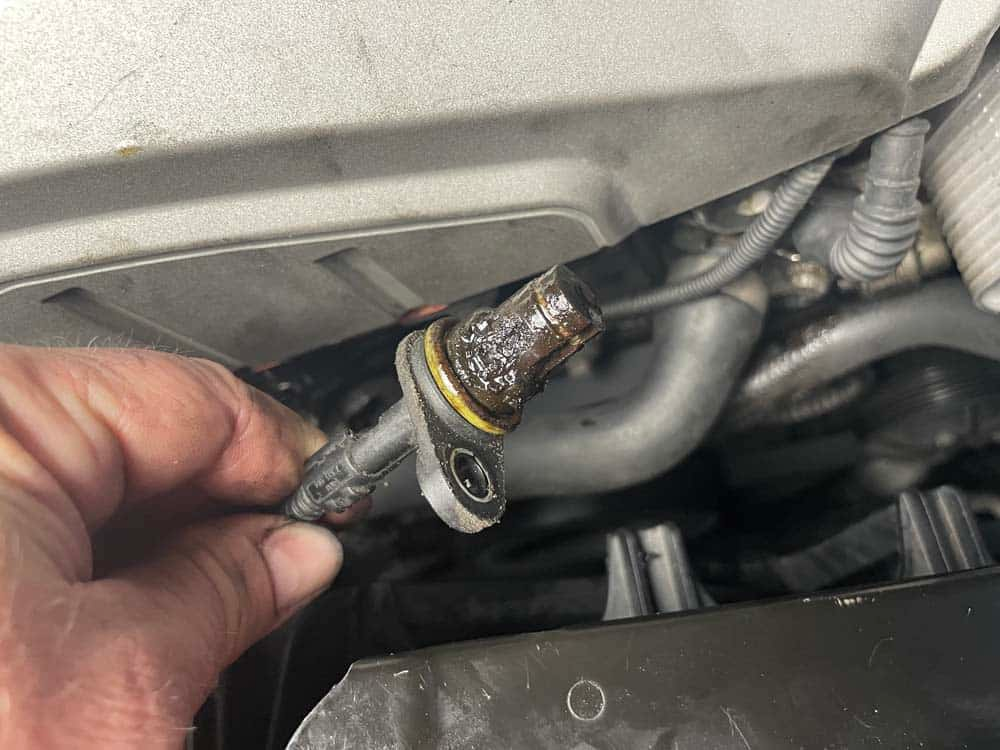
A tiny but essential part of the engine management system in your car is the camshaft position sensor. It is essential for keeping an eye on the camshaft’s position and speed, which enables the engine control unit (ECU) to precisely regulate fuel injection and ignition timing. Even well-maintained engines can experience major performance issues when this sensor starts to malfunction, therefore replacing the camshaft position sensor is a crucial repair that should never be disregarded.
Electronic sensors play a major role in the efficient operation of modern cars. Together with the crankshaft position sensor, the camshaft position sensor makes sure the engine’s valves open and close at the appropriate times.
The ECU can have trouble deciding when to inject fuel or turn on the spark plugs without precise input from this sensor. Hard starting, engine misfires, poor acceleration, and in extreme situations, total engine failure, are some of the symptoms that may result from this.
Until the check engine light shows or the car completely stops starting, many drivers are ignorant of the warning indicators. Unfortunately, driving with a malfunctioning camshaft position sensor can result in higher emissions, more fuel consumption, and possibly even damage to other engine parts. You may save time, money, and needless stress by knowing how this sensor functions and when it needs to be replaced.
Everything you need to know about replacing a camshaft position sensor is covered in this thorough guide, including typical failure symptoms, diagnostic trouble codes, replacement pricing, sensor location, and a step-by-step replacement procedure. This article will help you make wise choices and maintain the smooth and effective operation of your engine, whether you’re a do-it-yourself automobile owner or just want to understand what your mechanic is doing.

What Is a Camshaft Position Sensor?
An electronic device called a camshaft position sensor keeps track of the precise location and speed at which the camshaft rotates inside an engine. The engine control unit (ECU) of the car receives this data and uses it to regulate vital engine operations like valve functioning, ignition timing, and fuel injection timing. The engine cannot operate effectively or consistently without precise information from the camshaft position sensor.
Usually, the sensor detects a magnetic field or signal produced by a rotating camshaft gear or reluctor wheel. Each time the camshaft completes a given movement, the sensor transmits a signal to the ECU, allowing the system to know which cylinder is on its compression or power stroke.
This flawless synchronization guarantees that spark plugs ignite precisely when needed and gasoline is injected at the appropriate time.
Modern cars typically use two primary types of camshaft position sensors: Hall-effect sensors and magnetic (inductive) sensors.
Hall-effect sensors employ a digital signal that yields more precise and reliable readings than magnetic sensors, which produce an electrical signal based on variations in magnetic fields. Hall-effect sensors are used in the majority of modern cars because of their accuracy and dependability.
The camshaft position sensor is typically installed physically close to the timing cover, camshaft, or cylinder head. Depending on the engine design—inline, V-type, or overhead cam engines, for example—its location may change.
Camshaft position sensor replacement is a regular and essential repair during a vehicle’s lifetime since the sensor is subjected to harsh operating circumstances due to its proximity to high heat and moving engine elements, which can eventually cause wear or failure.
A solid basis for identifying failure symptoms and determining when replacement is necessary to maintain maximum engine performance is provided by an understanding of what a camshaft position sensor is and how it works.
Read also:Variable Valve Timing Solenoid – Symptoms, Location, Function & Replacement Cost
What Does a Camshaft Position Sensor Do?
The engine control unit (ECU) receives information from the camshaft position sensor, which tracks the precise location and rotational speed of the camshaft. The ECU uses this information to precisely regulate fuel injection and ignition timing, ensuring that every cylinder fires at the right time for efficient combustion and smooth engine operation.
By assisting the ECU in modifying valve operation in response to driving circumstances, the sensor also assists systems like variable valve timing (VVT) in contemporary automobiles.
Engine timing becomes erroneous when the camshaft position sensor malfunctions, resulting in subpar performance, misfires, higher fuel consumption, and the requirement for prompt camshaft position sensor replacement.
Signs You Need a Camshaft Position Sensor Replacement
You can prevent expensive engine damage and unexpected failures by identifying the early warning indicators of a faulty camshaft position sensor. The most prevalent symptoms are described in detail below, with SEO-friendly subheadings for improved readability and search exposure.
Check Engine Light Turns On
The check engine light is one of the most common signs of a malfunctioning camshaft position sensor. The engine control unit (ECU) recognizes and records a fault code when the sensor transmits erroneous or inconsistent signals. The lit warning light indicates that a replacement camshaft position sensor may soon be required, even if the car may still be operational.
Engine Cranks but Fails to Start
The engine may not start at all due to a malfunctioning camshaft position sensor. Since the ECU depends on the sensor to identify proper ignition and fuel injection timing, faulty data can stop the engine from firing. The engine may frequently crank normally but not start, particularly if the sensor fails entirely.
Rough Idling and Engine Stalling
Engine timing becomes unsteady when the camshaft position sensor malfunctions. This frequently leads to erratic engine stalling, uneven RPMs, or rough idling, especially at low speeds or when stopping at traffic lights. If the sensor is not changed right away, these symptoms may get worse with time.
Poor Acceleration and Reduced Engine Performance
Slow acceleration or a discernible decrease of power are additional typical indicators. Poor combustion timing brought on by inaccurate camshaft position data reduces the engine’s responsiveness during acceleration. When accelerating, drivers may hesitate or jerk, which indicates that the camshaft position sensor needs to be replaced.
Decreased Fuel Efficiency
Fuel efficiency may be adversely affected by a malfunctioning camshaft position sensor. The engine uses more gasoline than is required to generate the same amount of power when fuel injection timing is off. This eventually results in higher fuel usage and operating expenses.
Transmission Shifting Problems
Gear shifting may be impacted by a malfunctioning camshaft position sensor in certain cars, particularly those with automatic transmissions. The transmission may have trouble shifting ratios smoothly, shift forcefully, or shift late. This happens as a result of the ECU coordinating engine and transmission operation using camshaft data.
Common Camshaft Position Sensor Error Codes
An OBD-II scanner can read the diagnostic trouble code (DTC) that the engine control unit (ECU) typically saves when a camshaft position sensor starts to malfunction.
These codes assist in determining whether the sensor, its wiring, or associated engine timing issues are the source of the problem. Knowing these codes can help you determine when it’s time to repair the camshaft position sensor.
P0340 – Camshaft Position Sensor Circuit Malfunction
A general malfunction in the camshaft position sensor circuit is indicated by this code. A malfunctioning sensor, broken wiring, or a bad electrical connection could be the cause. The engine may still function, but starting issues may arise and performance is frequently diminished.
P0341 – Camshaft Position Sensor Range/Performance Problem
When the sensor signal is outside of the anticipated range, code P0341 is displayed. This typically indicates erroneous camshaft position readings, which might interfere with fuel timing and ignite. The problem is often fixed by swapping out the camshaft position sensor.
P0342 – Camshaft Position Sensor Circuit Low Input
This error code indicates that the signal being received by the ECU is too weak. A malfunctioning sensor, shorted wiring, or contamination from oil leaks are typical causes. Ignoring this code may cause the engine to stall or misfire.
P0343 – Camshaft Position Sensor Circuit High Input
An unusually high signal voltage from the camshaft position sensor is indicated by P0343. This is frequently brought on by electrical issues like broken wire or a faulty sensor, necessitating the replacement of the camshaft position sensor.
P0365 – Camshaft Position Sensor “B” Circuit Malfunction
This number is applicable to engines that have several camshaft sensors. It indicates a problem with the secondary camshaft sensor circuit, which may have an impact on the engine’s overall performance and variable valve timing.
Although a camshaft position sensor issue is strongly suggested by these error codes, sensor failure is not always confirmed by them. Similar codes may result from timing chain issues, wiring problems, or ECU defects. Accurate camshaft position sensor replacement is ensured by proper diagnosis, which also avoids needless repairs.
What Causes Camshaft Position Sensor Failure?
Although camshaft position sensors are made to last for many years, they can eventually fail due to the extreme engine conditions in which they function. You can minimize premature damage and determine when camshaft position sensor replacement is necessary by being aware of the common causes of failure.
Heat and Engine Vibration
Usually installed close to the engine’s cylinder head, the camshaft position sensor is subjected to intense heat and continuous vibration. Inaccurate readings may result from vibration that damages the sensor’s internal circuitry or loosens connections, while heat can eventually deteriorate internal electronic components.
Oil Contamination and Leaks
The sensor housing or electrical connector may become contaminated by oil leaks from camshaft seals or valve covers. Oil contamination of the sensor disrupts signal transmission and may result in sporadic malfunctions. In order to restore correct engine timing, oil-soaked sensors frequently need to be replaced right away.
Electrical and Wiring Issues
Communication between the sensor and the ECU may be hampered by loose electrical plugs, rusted connectors, or damaged wiring. Sometimes electrical problems simulate sensor failure even when the sensor itself is still operational. Replacing the camshaft position sensor might not be enough to completely fix the problem if there is significant wiring damage.
Age and Normal Wear
Camshaft position sensors deteriorate with time, just like the majority of electrical parts. Internal wear eventually results from constant exposure to heat, moisture, and mechanical stress. Sensor failure in older or high-mileage cars frequently results from normal aging rather than a particular flaw.
Low-Quality Replacement Parts
Early failure may result from using inexpensive or subpar aftermarket sensors. These sensors might not fulfill OEM requirements, which could lead to erroneous readings or a brief service life. Selecting an OEM or high-quality sensor lowers the chance of needing to replace the camshaft position sensor again.
Can You Drive with a Bad Camshaft Position Sensor?
Although it is not advised, driving with a malfunctioning camshaft position sensor is occasionally possible. The engine control unit (ECU) may enter a default or “limp” mode when the sensor begins to malfunction, allowing the car to operate with less efficiency.
Short-distance driving may be made possible by this, but fuel delivery and engine timing are no longer optimum.
Short-term symptoms could include higher fuel consumption, poor acceleration, and rough idling. Unexpected worsening of these problems can result in abrupt engine stalling or a no-start situation. This could be risky, particularly if the engine stalls while you’re in traffic.
Driving for extended periods of time with a malfunctioning camshaft position sensor can put more stress on the engine and associated parts. Misfires, increased emissions, and possible catalytic converter damage can result from improper timing.
The safest and most economical way to prevent more mechanical problems and unplanned malfunctions is to replace the camshaft position sensor as soon as possible.
Camshaft Position Sensor Replacement Cost
Although replacing a camshaft position sensor is often a reasonably priced repair, the final cost may vary based on the make and model of the car as well as whether you decide to do it yourself or hire a professional. Budgeting and choosing the best course of action are made easier when you comprehend the cost breakdown.
Average Cost Breakdown
Replacing a camshaft position sensor typically costs between $120 and $350. Depending on engine accessibility and local labor rates, labor charges can range from $70 to $200, while the sensor itself usually costs between $50 and $150. Because they require more labor, some expensive cars or engines with hard-to-reach sensors may cost extra.
Cost by Vehicle Type
-
Economy Cars: Usually the cheapest to repair, with total costs between $120–$200.
-
SUVs and Trucks: Can range from $180–$300 due to more complex engine layouts.
-
Luxury or Performance Vehicles: May exceed $350 if parts are expensive or labor is intensive.
Dealership vs Independent Mechanic
Although they use OEM sensors and ensure correct installation, dealerships frequently charge more for both parts and labor. Independent mechanics can minimize total expenses without sacrificing dependability by using high-quality aftermarket sensors and typically offering lower labor rates.
DIY vs Professional Replacement
Many automobiles may be replaced on your own if you have the necessary tools and a basic understanding of mechanics. Usually, DIY expenses just cover the sensor ($50–$150). Labor-intensive engines, however, might still need expert assistance to prevent errors that could cause more harm.
Camshaft Position Sensor Location
For diagnosis and replacement, it is essential to know where your camshaft position sensor is located. The majority of sensors are carefully positioned close to the camshaft to precisely monitor its rotation, while the precise location varies based on the engine type and manufacturer.
How to Diagnose a Bad Camshaft Position Sensor
Before choosing to repair a failed camshaft position sensor, it is crucial to accurately diagnose it because similar symptoms might be brought on by wiring difficulties or other engine faults. Here’s how to find out if the sensor is malfunctioning.
Using an OBD-II Scanner
The most dependable instrument for identifying problems with camshaft sensors is an OBD-II scanner. Sensor-related problems like P0340, P0341, or P0342 can be found by checking the engine’s stored issue codes. Additionally, the scanner can offer real-time data to demonstrate whether the sensor is consistently transmitting signals to the ECU.
Visual Inspection
Check for obvious damage to the sensor and its wiring. Look for corroded pins, loose couplings, or contaminated oil. Any physical damage could mean that the sensor needs to be replaced right away.
Multimeter Testing
Use a multimeter to check the resistance or voltage output of the sensor for a more accurate diagnosis. Check the readings against the specifications provided by the manufacturer. If the signal is erratic or nonexistent, the sensor is probably defective and needs to be replaced.
How to Replace a Camshaft Position Sensor (Step-by-Step Guide)
For do-it-yourselfers with a basic understanding of mechanics, replacing a camshaft position sensor is a doable procedure. Following the right procedures guarantees flawless installation, prevents damage, and effectively recovers engine performance.
Tools and Materials Needed
Before starting, gather the following:
-
New camshaft position sensor (OEM or high-quality aftermarket)
-
Socket set and ratchet
-
Screwdrivers
-
Torque wrench (if required)
-
Clean cloth or rag
-
Safety gloves
Safety Precautions Before Starting
To avoid electrical shocks or short circuits, always unplug the battery before working on the engine. To prevent burns, work in an area with good ventilation and make sure the engine is cool.
Step 1: Disconnect the Battery
To stop the ECU and sensor circuits from receiving power, disconnect the negative battery connector. By doing this, unintentional electrical shorts during the replacement procedure are avoided.
Step 2: Locate the Camshaft Position Sensor
To locate the sensor, consult the handbook that came with your car. Usually, it is close to the camshaft, timing cover, or cylinder head. To improve access, adjacent components may need to be cleared.
Step 3: Remove the Electrical Connector
Press the release tab and carefully pull the connector to detach the sensor’s wiring harness. To avoid damaging the wires, do not tug on them directly.
Step 4: Remove the Sensor Bolt
The mounting bolt or bolts holding the sensor in place can be removed using the proper socket or wrench. Since the bolts are necessary for installation, keep them secure.
Step 5: Remove the Old Sensor
The old sensor should be carefully removed from its housing. To avoid damaging other components, gently jiggle it if it’s stuck because of grease or dirt.
Step 6: Install the New Sensor
Make sure the new sensor is completely seated before inserting it into the mounting hole. To prevent misalignment, which could impact engine timing readings, align it correctly.
Step 7: Reconnect the Battery
Reattach the battery’s negative terminal. The ECU and sensor circuits are once again powered.
Step 8: Clear Error Codes and Test Drive
To remove any stored issue codes, use an OBD-II scanner. To verify smooth idling, appropriate acceleration, and the absence of the check engine light, start the engine and take a test drive.
Common Mistakes to Avoid During Camshaft Position Sensor Replacement
Although it may appear simple to replace a camshaft position sensor, several errors might result in subpar performance or even engine damage. A seamless and effective replacement of the camshaft position sensor can be ensured by being aware of these hazards.
Installing the Wrong Sensor
Using a sensor that isn’t suitable with your car is one of the most frequent errors. Engine misfires, check engine lights, and transmission problems can result from even little variations in sensor type, connector design, or signal output. Before making a purchase, always confirm the part number and specs.
Not Clearing Engine Codes
If diagnostic trouble codes (DTCs) are not cleared after installing a new sensor, the check engine light may remain on and the ECU may not be able to adjust the engine timing. To reset codes after replacement, always use an OBD-II scanner.
Ignoring Wiring Issues
Sometimes the issue is not a malfunctioning sensor; corroded connectors or broken wiring can simulate a malfunctioning sensor. Repetitive issues could result from installing a new sensor without first checking the wiring.
Over-Tightening Mounting Bolts
The sensor housing may shatter or the mounting threads may be harmed if the mounting bolts are overtightened. To correctly secure the sensor, always adhere to the torque specifications provided by the manufacturer.
Failing to Lubricate O-Rings
O-rings are included with some camshaft position sensors to provide a tight seal. Oil leaks or damage to the O-ring may result from installing the sensor dry. To guarantee a good seal, lightly lubricate the O-ring with engine oil before to installation.
How Long Does a Camshaft Position Sensor Last?
The type of vehicle, driving circumstances, and maintenance practices all affect how long a camshaft position sensor lasts. These sensors typically last between 70,000 and 100,000 miles, however some may break down sooner because of environmental conditions or engine problems.
Best Camshaft Position Sensor Brands
Maintaining engine performance and preventing recurrent failures depend on selecting a trustworthy camshaft position sensor. Although there are numerous options available, choosing premium or OEM (Original Equipment Manufacturer) sensors guarantees precision, robustness, and compatibility with your car.
OEM Sensors
OEM sensors are built to exact specifications by the car manufacturer or authorized suppliers. They are the most dependable, fit flawlessly, and typically include a warranty. OEM camshaft position sensor replacement ensures correct engine timing and long-term performance, despite the fact that they are frequently more costly.
Aftermarket Sensor Brands
Several reputable aftermarket brands produce high-quality camshaft position sensors, often at a lower cost than OEM parts. Popular options include:
-
Delphi: Known for durability and accurate signal output.
-
Denso: Offers sensors with precise calibration and long service life.
-
Bosch: High reliability and widely used across many vehicle models.
-
Standard Motor Products (SMP): Affordable and meets or exceeds OEM standards.
When selecting an aftermarket sensor, always check compatibility with your vehicle’s make, model, and engine type to ensure correct operation.
FAQs About Camshaft Position Sensor Replacement
How Long Does Camshaft Position Sensor Replacement Take?
For most cars, changing a camshaft position sensor takes between thirty and sixty minutes. The position of the sensor and engine accessibility determine how long it takes. Vehicles with sensors hidden beneath intake manifolds or other parts might need more disassembly, which would lengthen the time it takes to replace them.
Can a Bad Camshaft Sensor Damage the Engine?
Yes, inadequate ignition timing and fuel injection mistakes brought on by a malfunctioning camshaft position sensor can result in engine misfires, rough running, elevated emissions, and in rare instances, catalytic converter failure. Replacing the engine as soon as possible can stop additional damage.
Will a Bad Camshaft Sensor Cause Misfires?
Of course. Engine misfires can be directly caused by inaccurate camshaft position data, which can lead to inadequate fuel and spark timing. This frequently results in decreased engine performance, hesitancy during acceleration, and harsh idling.
Do I Need to Reprogram the ECU After Replacement?
When a replacement camshaft position sensor is inserted and the error codes are cleared, the ECU in the majority of cars automatically recalibrates. However, if variable valve timing is involved, some contemporary cars would need to undergo ECU reset or relearning operations.
Can Oil Leaks Affect the Camshaft Position Sensor?
Yes, intermittent or permanent sensor failure may result from contamination of the sensor and its connector by oil leaks from valve covers or camshaft seals. Maintaining a clean engine environment contributes to longer sensor life.
When to See a Mechanic for Camshaft Position Sensor Replacement
While skilled do-it-yourselfers can replace some camshaft position sensors, there are specific circumstances that call for expert assistance. Seeing a mechanic guarantees that the work is completed accurately, safely, and to avoid possible engine damage.
Complex Engine Layouts
The camshaft position sensor can be found in narrow engine bays, next to timing chains, or behind intake manifolds in many contemporary cars. In certain situations, it might be difficult to access and replace the sensor without the proper equipment and expertise, so hiring a professional is a safer option.
Persistent Error Codes
There can be wiring problems, ECU malfunctions, or other engine issues if the check engine light stays on after the sensor is replaced or if several diagnostic trouble codes continue to appear. To find and address the underlying cause, a mechanic can do comprehensive diagnostics.
Engine Performance Concerns
Severe symptoms like abrupt power outages, misfires, or persistent stalls point to more than a straightforward sensor malfunction. Mechanics are able to test the engine in real-world scenarios, confirm sensor operation, and guarantee appropriate timing modifications.
Warranty and Quality Assurance
A guarantee on parts and labor is frequently included when a professional replaces the camshaft position sensor. Compared to do-it-yourself projects with inferior parts, this guarantees piece of mind and lowers the possibility of recurrent failures.
Conclusion
A tiny but essential part that guarantees correct engine timing, fuel injection, and ignition performance is the camshaft position sensor. Costly damage can be avoided by identifying warning indications, such as rough idling, poor acceleration, or check engine lights, and comprehending frequent causes.
Engine performance is restored, fuel efficiency is increased, and dependable operation is guaranteed with timely camshaft position sensor replacement utilizing high-quality components and correct installation. Resolving sensor problems as soon as possible is essential to maintaining the smooth operation of your car, whether you decide to do it yourself or hire a professional repair.


-

 Car Problems2 months ago
Crankshaft Pulley: Symptoms of Failure, Replacement Cost & Function
-

 DIY Fixes2 months ago
Engine Mount Replacement Cost
-

 Car Problems2 months ago
Cylinder Head Temperature Sensor: Function, Symptoms & Replacement Cost
-

 Car Problems2 months ago
How Much Is a Turbo Charger?
-

 Car Problems2 months ago
Variable Valve Timing Solenoid – Symptoms, Location, Function & Replacement Cost
-

 Costs2 months ago
Catalytic Converter Replacement Cost
-

 Car Problems2 months ago
Best Catalytic Converter Cleaner
-

 Car Problems2 months ago
How to Clean a Catalytic Converter Safely and Effectively