
DIY Fixes
Engine Mount Replacement Cost

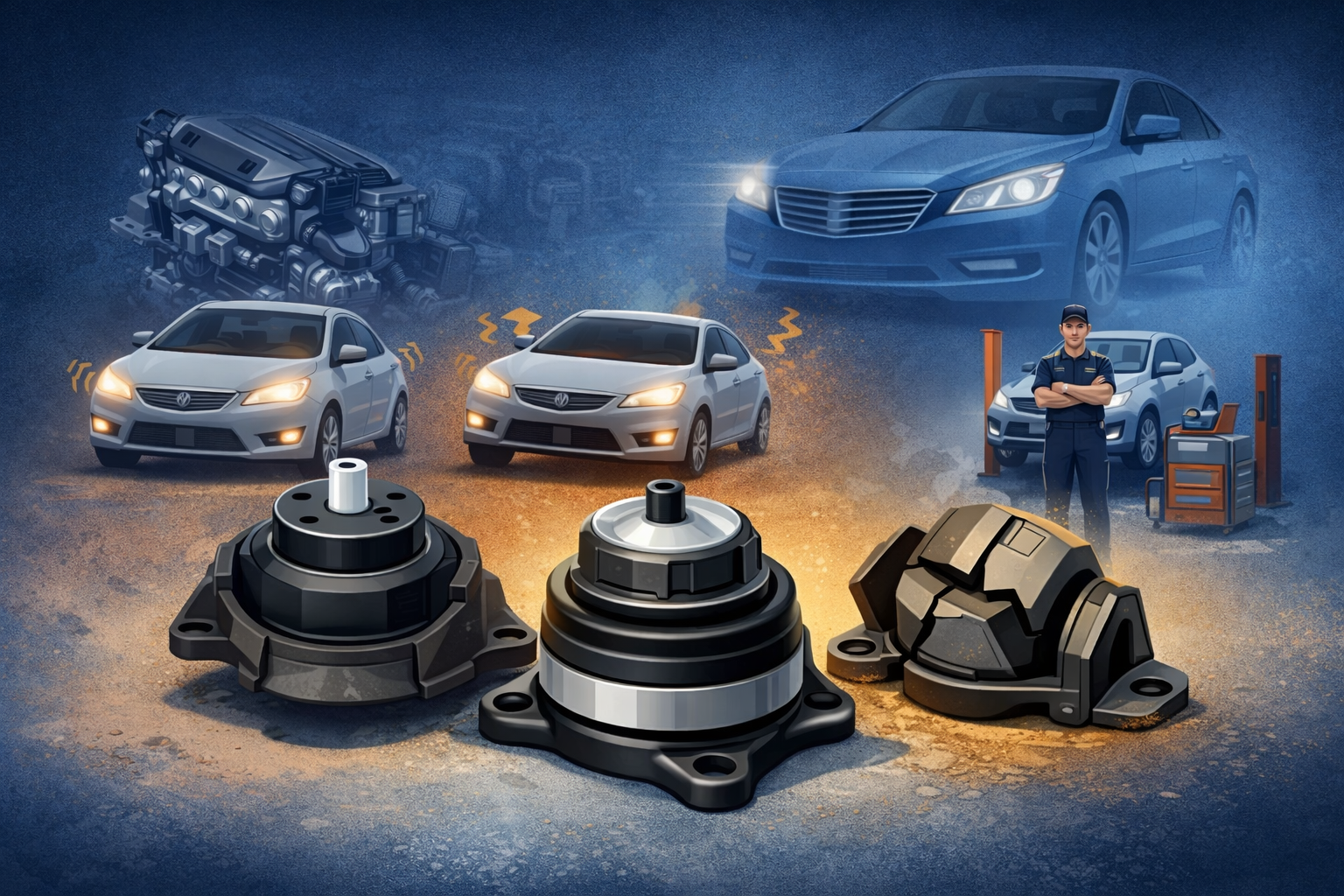
The engine of your car is its heart; it works nonstop to supply the power required to operate your car smoothly. However, did you realize that essential parts known as engine mounts support the engine itself? In addition to keeping the engine in position, these mounts provide a smooth and secure driving experience by absorbing shocks and vibrations from the road. But as time goes on, engine mounts deteriorate or wear down, causing more vibrations, clunking sounds, and possibly even harm to other engine parts.
Whether you are planning annual maintenance or encountering unforeseen engine problems, it is crucial for car owners to know how much engine mount replacement would cost. The type of mount utilized, the make and model of your car, and local labor costs can all have a significant impact on the price. You can budget appropriately, steer clear of costly surprises, and preserve the condition of your car by being aware of the average replacement costs and the variables that determine them.
Everything you need to know about engine mounts will be covered in this guide, from their operation and signs of failure to thorough cost analyses and replacement advice.
This article will provide you with the information you need to make wise choices and maintain the smooth operation of your engine, regardless of whether you are thinking about doing the repair yourself or contacting a professional mechanic.

What is an Engine Mount?
An essential part of any car is an engine mount, which holds the engine firmly to the chassis while cushioning shocks and vibrations. The engine would be directly attached to the frame without engine mounts, which would result in extreme vibration, noise, and possible harm to the engine and surrounding parts. Engine mounts essentially serve as a buffer, maintaining engine stability while in use.
Types of Engine Mounts
There are several types of engine mounts, each with unique characteristics:
-
Rubber Engine Mounts
-
Most common in everyday vehicles
-
Made of metal and rubber layers to absorb vibrations
-
Affordable and effective for standard driving conditions
-
-
Hydraulic Engine Mounts
-
Filled with fluid to provide superior vibration damping
-
Often found in luxury or high-performance vehicles
-
More expensive but offer a smoother and quieter ride
-
-
Solid or Performance Mounts
-
Made from solid materials like polyurethane or metal
-
Designed for racing or high-performance vehicles
-
Provide better engine stability but transmit more vibration
-
Why Engine Mounts Are Important
Engine mounts are more than just supports—they directly affect driving comfort, safety, and the longevity of your engine. Worn or damaged mounts can lead to:
-
Excessive engine vibration, felt through the cabin
-
Clunking or knocking noises, especially during acceleration or braking
-
Misalignment of drivetrain components, which can accelerate wear on other parts
By understanding what engine mounts do and the types available, car owners can better recognize when replacement is necessary and why the cost of replacement is a worthwhile investment.
Read also: Crankshaft Pulley: Symptoms of Failure, Replacement Cost & Function
Signs You Need Engine Mount Replacement
Although engine mounts are made to survive for many years, they eventually wear out just like any other part of a car. You can avoid expensive damage to your engine, transmission, and other parts by spotting the early warning signs of deteriorating engine mounts. The following are the most typical indicators that a replacement is necessary:
Excessive Engine Vibration
Increased vibration is one of the most obvious signs of a damaged engine mount. Deteriorated rubber or hydraulic mounts are unable to absorb engine movement. When driving, especially at idle or moderate speeds, you can experience vibrations through the floor, steering wheel, or even the seats.
Clunking or Banging Noises
The engine may move when you accelerate, decelerate, or go over bumps if your engine mount has failed. Loud clunking, pounding, or knocking noises are frequently produced by this movement; these noises are especially audible while starting the engine or changing gears.
Engine Misalignment or Movement
The engine may tilt or sit unevenly due to a faulty mount. When the car is in gear, you may notice that the engine is running too fast in extreme situations. Hoses, belts, and other engine parts may be strained by this movement, necessitating further repairs.
Visible Wear or Damage
A visual inspection can sometimes reveal the problem. Look for:
-
Cracks or tears in the rubber
-
Leaking fluid in hydraulic mounts
-
Broken or loose brackets
Transmission Issues
A worn engine mount may have an impact on the transmission since engine mounts maintain engine stability. When changing gears, you may experience strange vibrations or trouble shifting gears.
If you ignore these indicators, your car may sustain more damage and require more expensive repairs. A smoother ride, less strain on your drivetrain, and longer engine life are all ensured by replacing engine mounts on time.
Average Engine Mount Replacement Cost
You can budget for maintenance and prevent unforeseen repair costs by being aware of the typical cost of replacing an engine mount. The type of mount, labor costs, and the brand and model of your car all affect the final cost.
Typical Cost Range
On average, engine mount replacement can cost anywhere from $200 to $800 per mount. This range includes both parts and labor, but the final price can vary:
-
Parts: $50–$300 per mount depending on whether you choose OEM (Original Equipment Manufacturer) or aftermarket parts.
-
Labor: $100–$500, depending on the complexity of the replacement and local mechanic rates.
Some high-performance or luxury vehicles may have mounts that are more expensive, with total costs exceeding $1,000 for a full replacement.
Factors That Affect Engine Mount Replacement Cost
The price of replacing an engine mount is not constant and can differ greatly based on a number of important variables. Car owners can make wise judgments and create an efficient budget by being aware of these factors.
Vehicle Make and Model
The kind of vehicle is one of the main factors affecting price. Compact cars typically feature easier-to-access, simpler engine mounts, which lowers labor costs. High-performance or luxury cars, on the other hand, may have more complicated mounts—sometimes hydraulic—that are more expensive to fix since they need more work and knowledge.
Type of Engine Mount
Not all engine mounts are created equal. While hydraulic mounts, which are featured in many contemporary and luxury automobiles, offer better vibration damping but are more expensive, standard rubber mounts are the most popular and reasonably priced. Performance mounts are the priciest and can transfer more engine vibration into the cabin; they are frequently used in sports automobiles. Parts and labor expenses are directly impacted by mount type.
Labor Rates and Location
The shop you choose and your location both affect labor costs. While independent repair shops might provide more reasonably priced labor, mechanics in cities or dealerships usually demand higher prices. Because some engines are crammed together, it can be challenging to reach the mount, which can add to the time and expense of labor.
Number of Engine Mounts Needing Replacement
Many cars have more than one engine mount. While replacing only one mount could temporarily save money, doing so may put additional strain on the remaining mounts, which could eventually result in greater damage. Although replacing every mount at once is more expensive up front, it is frequently more economical over time.
Additional Repairs and Quality of Parts
Repair prices will go up if a worn engine mount has damaged other parts like belts, hoses, or the gearbox. Additionally, OEM parts are more costly than aftermarket options, which may differ in quality, but they guarantee superior fit and endurance.
Car owners can balance safety, longevity, and affordability by taking these aspects into account and understanding why engine mount replacement costs differ.
How Often Should Engine Mounts Be Replaced
Although engine mounts are made to last for many years, stress, heat, and engine vibrations cause them to deteriorate with time. Maintaining a smooth driving experience and preventing damage to other components can be achieved by knowing when to replace them.
Average Lifespan of Engine Mounts
Depending on driving patterns and vehicle type, engine mounts typically last 5 to 7 years or 60,000 to 100,000 miles. Compared to hydraulic or performance mounts, which are made to withstand greater stress and vibration, rubber mounts typically wear out more quickly. Wear can be found through routine inspections before it causes expensive issues.
Factors Affecting Longevity
Several factors influence how long engine mounts last:
-
Driving Conditions: Frequent stop-and-go traffic, rough roads, or off-road driving puts extra stress on mounts, causing them to wear out faster.
-
Vehicle Type: Heavy vehicles, trucks, and SUVs may experience faster wear due to larger engine loads.
-
Maintenance Habits: Neglecting other engine components can accelerate mount deterioration, while regular maintenance helps prolong their life.
Signs It’s Time for Replacement
Even if your engine mounts are in good condition, you should think about replacing them if an inspection reveals excessive vibration, strange noises, or obvious damage. A smoother and safer ride is ensured by proactively repairing worn mounts to forestall additional engine and drivetrain problems.
Common Mistakes During Engine Mount Replacement
Although replacing engine mounts might appear simple, installation errors can result in ongoing engine issues or even more damage. Professionals and do-it-yourselfers alike can guarantee a successful replacement by being aware of these typical mistakes.
Using the Wrong Type of Mount
Installing the wrong engine mount is one of the most common errors. Not every vehicle is compatible with every mount, and choosing the incorrect kind—rubber instead of hydraulic, for instance—can result in poor fit, more vibration, or faster wear. Make sure you buy the right mount by consulting the specifications of your car.
Improper Torque on Bolts
For engine mounts to operate correctly, the right torque must be applied. While under-tightening nuts may permit excessive engine movement, over-tightening bolts may cause the mount to crack or sustain damage. For both performance and safety, it is essential to use a torque wrench and adhere to manufacturer standards.
Ignoring Other Worn Components
Stress on adjacent elements like belts, hoses, or gearbox components can result from a failing engine mount. If the mount is replaced without first examining these components, problems may persist or more repairs may be necessary soon after installation. A comprehensive examination guarantees that all relevant parts are in good shape.
Skipping Safety Precautions
It is risky to replace the engine without adequate support. An engine hoist or jack must be used to safely raise or hold the engine. Ignoring safety precautions might result in serious harm or damage to the engine and its surrounding parts.
Vehicle owners may make sure that engine mount replacement is efficient, secure, and long-lasting by avoiding these typical errors. In addition to lowering vibration and extending the life of the mounts and other engine parts, proper installation maintains engine stability.
How Engine Mount Replacement Affects Vehicle Performance
Replacing worn-out or damaged engine mounts directly affects the entire performance, comfort, and lifetime of your car in addition to solving a noisy engine. Knowing these advantages makes it clear why prompt replacement is essential.
Improved Vibration Control
Absorbing engine vibrations is one of engine mounts’ primary functions. A unstable cabin, an uncomfortable ride, and even driver weariness can arise from worn mounts that permit excessive vibration to pass through the chassis. By restoring stability, mount replacement ensures smoother operation and a more enjoyable driving experience.
Smoother Engine Operation
When the engine is accelerating or braking, damaged mounts may cause it to move slightly, resulting in jerks, clunks, or inconsistent power delivery. By stabilizing the engine, new mounts increase responsiveness, minimize engine movement, and guarantee more reliable power transfer to the drivetrain.
Reduced Stress on Drivetrain and Chassis
Other parts, such as the transmission, driveshaft, and suspension, may be subjected to additional stress due to an unstable engine. By correctly distributing engine forces, mount replacements lessen the strain on linked systems. This reduces the possibility of future expensive repairs and extends the life of important components.
Enhanced Safety and Handling
Even though it might not seem like much, engine stability has an impact on vehicle control. When cornering or making abrupt moves, excessive engine movement can change the distribution of weight, which can have a minor effect on handling. Engine alignment is maintained by properly operating mounts, which promotes safer and more consistent driving.
In conclusion, prompt engine mount replacement guarantees that your car operates more smoothly, quietly, and efficiently while also safeguarding important parts and enhancing general safety.
FAQs About Engine Mount Replacement Cost
Car owners frequently have a lot of concerns regarding maintenance, safety, and expense when it comes to replacing engine mounts. To assist you in making well-informed decisions, below are the most often asked questions along with concise responses.
How Much Does It Cost to Replace a Single Engine Mount?
Depending on the make, model, and mount type of your car, replacing a single engine mount might cost anywhere from $200 to $800. Labor often costs between $100 and $500, while parts typically cost between $50 and $300. A complete replacement for a luxury or performance car can cost more than $1,000.
Can I Drive with a Broken Engine Mount?
Although it is not advised, driving with a failing engine mount can be feasible for a brief amount of time. A damaged mount permits excessive engine movement, which may result in dangerous driving conditions and harm belts, hoses, and other parts. Replacement must be done quickly.
Is It Worth Replacing Engine Mounts Proactively?
Yes! vibrations, noise, and damage to nearby components can be avoided by replacing engine mounts before they totally fail. Proactive maintenance guarantees safer, more efficient functioning while lowering long-term repair costs.
How Do I Know Which Engine Mounts Need Replacement?
Check for engine misalignment, vibrations, clunking sounds, or obvious damage like cracked rubber or hydraulic fluid leaks. To identify which mounts are worn out or malfunctioning, a qualified mechanic can conduct a comprehensive inspection.
Are OEM Parts Necessary for Engine Mount Replacement?
Although premium aftermarket mounts can also be dependable and more reasonably priced, OEM (Original Equipment Manufacturer) parts offer the best fit and longevity. Your budget and preference for long-term performance above cost savings will determine the decision.
Tips to Reduce Engine Mount Replacement Cost
Although replacing an engine mount might be costly, there are a number of ways to cut expenses without sacrificing quality or safety. Car owners may guarantee a seamless, long-lasting repair and save money by carefully planning.
Compare Quotes from Different Mechanics
Depending on the shop, labor costs can differ greatly. You can locate the best cost by obtaining several quotes from independent mechanics, dealerships, or specialty repair shops. Remember that the greatest option isn’t usually the cheapest one; instead, search for a balance between price, reputation, and experience.
Choose Between OEM and Aftermarket Parts
Although they are often more costly, Original Equipment Manufacturer (OEM) mounts provide a flawless fit and durability. If carefully selected, high-quality aftermarket mounts might be an affordable option. To be sure it is dependable and compatible with your car, check reviews and specs.
Bundle Repairs
Consider scheduling several repairs at once if further engine or drivetrain parts require maintenance. Because the mechanic may handle multiple problems in a single session, cutting down on time and expense, doing this can save labor costs.
DIY for Simple Replacements
DIY replacement of readily accessible mounts can reduce labor expenses for anyone with the necessary tools and mechanical expertise. But safety is crucial; always use the right instruments and follow the right protocols. An incorrect installation could result in higher costs down the road.
Regular Inspection and Maintenance
The chance of an unexpected mount failure is decreased by proactive maintenance. Frequent engine mount inspections, particularly on older cars, enable early replacement before other parts are harmed, thus reducing the cost of repairs.
Conclusion
Engine mounts are essential to the functionality, security, and general comfort of your car. Stress, vibration, and regular use cause these parts to deteriorate with time, and neglecting to repair them can result in engine misalignment, excessive vibration, and damage to other engine parts.
Car owners can efficiently plan maintenance if they are aware of the cost of replacing engine mounts, the elements that influence it, and the wear indicators. Timely replacement guarantees smoother engine function, lessens strain on the drivetrain, and improves vehicle safety, whether you want to do it yourself or hire a skilled repair.
To avoid expensive repairs and guarantee a dependable, comfortable ride, preventive maintenance and routine inspections are crucial. You may make wise choices and keep your engine safely supported for many years to come by being aware of the signs of worn mounts, the typical replacement costs, and cost-saving techniques.


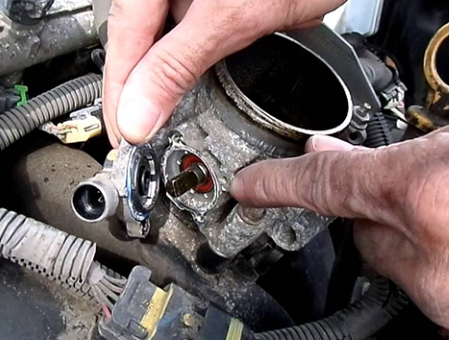
Have you ever pressed your accelerator but your car wouldn’t just respond the way it is expected to? That situation can be disturbing. The throttle position sensor is an important component in your car engine. This component monitors how open the throttle valve is depending on how much pressure is applied on the accelerator pedal. It controls how much air flows into the intake manifold, found in the engine. The engine control module, transmits how fast the throttle positions closes and open. The accelerator pedal sensor transmits the position of the accelerator pedal to the engine control unit (ECU). This information allows the ECU to determine the amount of acceleration the driver applies. When this sensor does not act as it should, it can affect the performance of car and even its fuel economy. This page explains the operating principle of modern accelerator pedal sensors and the symptoms that indicate a sensor malfunction. You will also learn how to have accelerator pedal sensors checked in a workshop.
AN OVERVIEW OF THE THROTTLE POSITION SENSOR
The throttle position sensor is an essential component that informs the ECU about the precise opening of the throttle plate, allowing for accurate adjustment of the air-fuel mixture. In modern drive-by-wire systems, this sensor becomes even more critical, ensuring agile response and optimal fuel metering from the very first millisecond.
From its beginnings as an external and easily replaceable device, the throttle position sensor has evolved into designs integrated into the electronic throttle body, eliminating additional moving parts. This transition, driven since the 2000s by manufacturers such as Toyota and BMW, aims to improve the reliability and signal synchronization of next-generation injection systems.
You can find the throttle position sensor, mounted in the body of the throttle. It sends data to the ECU to adjust integral things like the fuel injection, ignition timing and air intake. Your car performs well, when this sensor is good.
Operating Principle of the Throttle Position Sensor
Accelerator Pedal Sensor: Operation
In modern vehicles, the proportion of electronic components is constantly increasing. This is due, among other reasons, to legal regulations, e.g., those related to reducing fuel consumption and emissions. Electronic components are also being used more and more to improve active and passive safety, as well as driving comfort. Among these components, the accelerator pedal sensor is a notable example.
For use in automobiles, contactless sensors, which operate on an inductive principle, are becoming increasingly common. This sensor consists of a stator, which includes an excitation coil, receiving coils, and evaluation electronics, and a rotor, formed by one or more closed loops with a specific geometry.
Applying an alternating voltage to the transmitting coil generates a magnetic field that induces a voltage in the receiving coils. The electronics process and evaluate these amplitudes, which are then sent as a direct current voltage to the control unit. The control unit evaluates the signal and transmits the corresponding pulse, e.g., to the throttle valve regulator. The properties of the voltage signal depend on the accelerator pedal position.
The Most Common Symptoms of Throttle Position Sensor
1. The Check Engine Light is One
This is the most common symptoms of a bad Throttle Sensor. It may indicate these common error codes; P0120, P0122 and P0121. Whenever you see any of these codes, you should know that there is an issue with the readings of your throttle sensor.
2.Slow Response to Acceleration
A slow response to acceleration is an indication that your car’s throttle position sensor is bad. In this instance, you will notice; weak acceleration, or even difficulty in overtaking another car.
In the event of a bad accelerator pedal sensor, some of the following symptoms may also appear:
- The engine only shows an increase in idle speed.
- The vehicle does not respond to accelerator pedal movements.
- The vehicle goes into “limp mode.”
- The check engine light illuminates.
3.Struggling to Change Gears
Gears are important in any car, be it manual or automatic. The Throttle Position sensor helps to control shifts in gears. But this is difficult in a bad sensor. If your sensor is bad, you will experience, delay in changing gears and transmission issues.
4. Low Fuel Economy
A bad position sensor can cause low fuel economy. In this case you may notice; reduced fuel mileage and bad engine performance.
5. Jerking While in Motion
If you notice sudden jerks while driving and a random change in acceleration, then you need to check your throttle position sensor.
Why the Throttle Position Sensor Fails
A malfunction can be caused by one of the following:
- Damaged connections or wiring at the accelerator pedal sensor.
- Lack of power and ground connection
Faulty evaluation electronics in the sensor
Build-up of dirts and carbon.
Using poor quality sensors for replacement.
Troubleshooting
- Accelerator Pedal Sensor Inspection
During troubleshooting, the following steps should be considered:
Read fault codes
- Visually inspect the accelerator pedal sensor for mechanical damage
- Visually inspect all relevant electrical connections and wiring to ensure they are secure and undamaged
- Test the sensor using an oscilloscope and a multimeter
Using a Mercedes-Benz A-Class (150) 1.7 as an example, the following describes all the troubleshooting steps, technical data, and illustrations to explain the fault location process.
Diagnose a Bad Throttle Position Sensor, how?
The following are confirmed ways for diagnosing a bad throttle position sensor:
- Use a Multmeter
This multimeter is used for measuring voltage changes when the throttle is in motion.
- Carry out a Visual Inspection
Visually inspect the sensor. Look out for bad or disconnected wires.
- Use an OBD-II Scanner
Use an OBD-II Scanner to check for any error codes relating to the throttle position sensor.
Step-By-Step Methods of Fixing a Bad Throttle Position Sensor
- First, clean dirts and carbon buildup on the sensor.
- Next, use a quality brand of throttle body cleaner to do a thorough clean up on it.
Sometimes, simply cleaning the position sensor may be all it needs to function properly again. But if the symptoms persist even after cleaning, consider replacing the sensor.
How to Replace a Bad Throttle Position Sensor
- First, carefully disconnect the battery.
- Second, remove the bad sensor.
- Third, gently replace the new sensor
- Finally, if necessary, calibrate the new sensor.
The Cost of Replacing a Throttle Position Sensor
The cost of replacing a throttle position sensor, depends on a number of factors, like the quality of sensor you want to use, the location and the labor cost. However, here is a typical estimated cost:
- Cost of sensor parts around, $25 -$200
- Cost of labour is about $65 -$150.
If you wish to do the replacement yourself, then, you will also need to include the cost of tools to use. You will need tools like a socket set and a screw driver.
Practical Maintenance Tips the Throttle Position Sensor
Maintenance always saves you money and time. Follow these practical tips to maintain your position sensor:
- Regularly clean the body parts of your throttle.
- Check the connections and wires.
- Only use good quality sensors when your throttle sensor is due for replacement.
- Do a periodic test to see how your throttle position sensor is doing. You may need a multimeter or an OBD-II scanner.
Frequently Asked Questions
1. Will I see error codes if my Throttle position sensor is bad?
Yes, you will. Error codes like P0121 and P0123 may be evident.
2. What happens if my position sensor is bad?
Poor fuel economy, sudden jerks while moving, and slow response to acceleration are common happening you would experience if your sensor is bad.
3. How do I clean my throttle sensor?
For thorough cleaning, use a good brand of throttle body cleaner.
4. Is replacing a bad position sensor easy?
Yes, with the right tools, you can easily do it.
5. How much does it cost to replace a bad throttle position sensor?
Around $150 -$250 for the sensor parts and labour cost.
6. What commonly causes a throttle position sensor to fail?
Accumulation of dirt, carbon build-up and faulty connections are a few things that can cause it to fail.
7.Can I replace a bad throttle position sensor myself?
Yes, you can easily replace it yourself, if you have the right tools.
Read also: Engine Oil Pressure Sensor
Conclusion
Conclusively, at a simple glance, the throttle position sensor may appear as a small and insignificant component of the engine. But, as you have seen from this article, it plays a significant role in making sure that your car is safe for use and its engine performs well. Some common symptoms of bad throttle position sensor include, slow response to acceleration, poor fuel economy and sudden jerks or surge while the car is in motion. Thankfully, both fixing and replacing a bad throttle position sensor is not so expensive. To fix a bad position sensor, you can simply clean the sensor or check the wiring for any disconnections. To replace a bad position sensor, first, remove your battery, disconnect wires and replace the throttle sensor with a new one. If you are already noticing any of the symptoms discussed in this article, do not wait till it get worse. Consult a trusted mechanic.
Also read:https://www.ctscorp.com/Products/Position-Sensors/Throttle-Position-Sensors
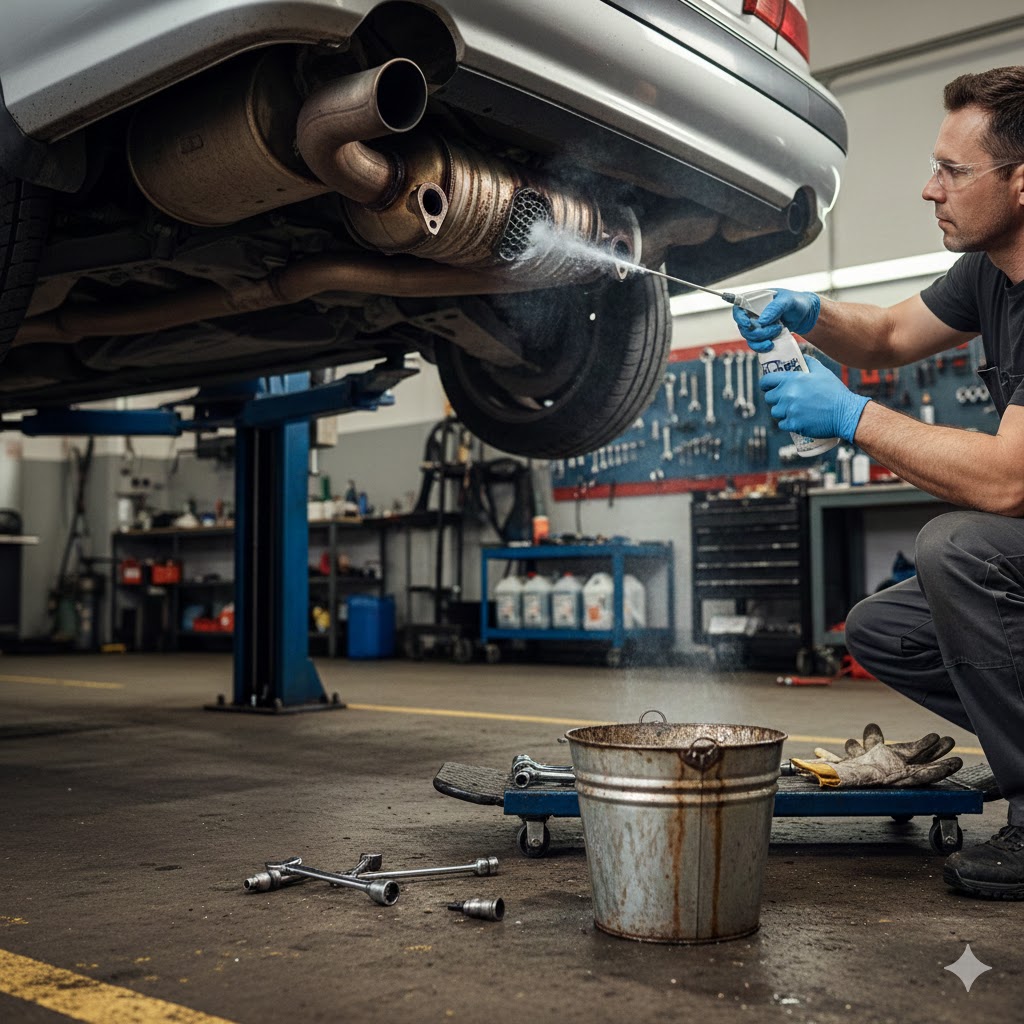
Your car’s performance might be silently depleted, fuel efficiency can be decreased, and the dreaded check engine light can even be triggered by a blocked or dirty catalytic converter. The first thing that comes to mind for many car owners is a costly replacement, but cleaning a catalytic converter is frequently a safe, practical, and affordable option.
If you’re looking for ways to clean a catalytic converter, you probably have symptoms like poor gas mileage, slow acceleration, or failed emissions tests.
Fortunately, not all catalytic converter issues call for replacement. You can prolong the life of your exhaust system and restore performance with the appropriate strategy, equipment, and knowledge of when cleaning truly works.
This article is based on expert-backed best practices and actual vehicle repair experience. We’ll walk you through both expert and do-it-yourself cleaning techniques, including ones that don’t need removing the converter, as well as how catalytic converters operate and the warning signals of clogging.
In order to help you make an informed and responsible choice, we will also discuss safety measures, legal issues, and circumstances in which cleaning is not advised.
This comprehensive guide will help you decide when and how to safely and properly clean a catalytic converter—and when replacement is the better option—whether you’re a do-it-yourself car owner looking to save money or just want to learn more about your automobile before seeing a professional.
What Is a Catalytic Converter and How Does It Work?
One of the most crucial parts of the exhaust system of a modern car is a catalytic converter. Its main function is to lessen toxic pollutants that are created during combustion before they are released into the atmosphere. In order to meet emissions and environmental standards, catalytic converters have been required in the majority of gasoline-powered automobiles since the mid-1970s.
In addition to protecting the environment, the catalytic converter makes sure your car complies with legal emissions regulations and runs smoothly by changing poisonous exhaust gases into less dangerous compounds.
What Is a Catalytic Converter?
A metal housing placed in the exhaust system of a car between the engine and the muffler is called a catalytic converter. A honeycomb-shaped core, usually composed of metal or ceramic, is located inside this housing and is intended to optimize surface area while permitting exhaust gases to pass through.
Precious metals like rhodium, palladium, and platinum are coated on its interior structure and serve as catalysts. The converter can operate constantly for thousands of miles because these materials initiate chemical processes that neutralize harmful gasses without being consumed themselves.
What Gases Does a Catalytic Converter Reduce?
During normal engine operation, fuel combustion produces several harmful byproducts, including:
-
Carbon monoxide (CO): A poisonous gas caused by incomplete combustion
-
Hydrocarbons (HC): Unburned fuel particles that contribute to smog
-
Nitrogen oxides (NOx): Gases that cause acid rain and respiratory problems
These contaminants are extremely dangerous to the environment and human health if they are released untreated. These gases are chemically changed by the catalytic converter before they leave the exhaust system.
Read also: Best Catalytic Converter Cleaner
How a Catalytic Converter Works
Toxic exhaust gases are converted into cleaner emissions by the catalytic converter utilizing heat and chemical processes. The catalyst-coated surfaces come into touch with exhaust as it passes through the honeycomb structure.
Two main reactions take place:
-
Oxidation reactions convert carbon monoxide and hydrocarbons into carbon dioxide and water vapor.
-
Reduction reactions break nitrogen oxides into harmless nitrogen and oxygen.
Catalytic converters work best on longer journeys rather than short ones because these reactions happen most effectively when the exhaust system reaches high operating temperatures.
Types of Catalytic Converters
The majority of modern cars have a three-way catalytic converter, which simultaneously lowers CO, HC, and NOx, the three main pollutants. Two-way converters, which are less effective and primarily target hydrocarbons and carbon monoxide, may be used in older cars.
In order to maintain the optimal air-fuel ratio and maximize efficiency and reduce emissions, three-way catalytic converters collaborate with oxygen sensors and the engine control unit (ECU).
Why Catalytic Converters Become Dirty or Clogged
Carbon buildup and trash collection over time can taint or clog a catalytic converter. Engine misfires, burning oil, fuel injector leaks, and coolant getting into the combustion chamber are common causes.
In addition to preventing carbon deposits from burning off, short driving cycles that prevent the exhaust system from heating up completely can gradually impede airflow. In many real-world situations, unsolved engine problems rather than a clogged catalytic converter are the primary cause.
How a Clogged Catalytic Converter Affects Vehicle Performance
Engine backpressure rises as a catalytic converter becomes constricted, making it difficult for exhaust gases to escape effectively. Reduced power, slow acceleration, inefficient fuel use, and overheating can result from this.
Before attempting to clean the catalytic converter, it is crucial to understand how it operates because cleaning is only successful if the interior honeycomb structure is intact and hasn’t melted or fractured.
Signs Your Catalytic Converter Needs Cleaning
Very often does a catalytic converter malfunction unexpectedly. When carbon accumulation and pollution start to limit exhaust flow, it typically exhibits distinct and escalating symptoms. You can ascertain whether cleaning the catalytic converter is still feasible or whether replacement could be required by identifying these early indicators.
Loss of Engine Power and Poor Acceleration
Reduced engine performance is one of the first and most obvious signs of a blocked catalytic converter. The engine struggles to discharge wasted gases when exhaust gasses cannot flow freely, which results in slow acceleration and less power—particularly when climbing hills or merging onto highways.
Real-world vehicle experience has shown that this symptom is frequently misinterpreted for fuel or gearbox issues, which can postpone an accurate diagnosis.
Decreased Fuel Efficiency
The engine must work harder than usual due to a limited catalytic converter. Your car may therefore use more gasoline to make up for the reduced airflow, which would result in lower miles per gallon (MPG).
A filthy catalytic converter may be a contributing factor if you observe a sudden or steady decrease in fuel efficiency without making any adjustments to your driving habits.
Check Engine Light (Common Error Codes)
The check engine light is frequently caused by an ineffective or clogged catalytic converter. P0420 (Catalyst System Efficiency Below Threshold) is the diagnostic trouble code most frequently linked to this problem.
This code often indicates that cleaning or more inspection is required, even if it does not always indicate that the converter is permanently damaged—especially if the problem is due to carbon accumulation rather than physical failure.
Rotten Egg or Sulfur Smell from the Exhaust
Another red flag is a strong sulfur or rotten egg odor emanating from the exhaust. Excess hydrogen sulfide in the exhaust gases, which the catalytic converter typically transforms into odorless sulfur dioxide, is the source of this smell.
The converter’s capacity to appropriately process these gases may be compromised when it gets clogged or contaminated, which could lead to obvious and disagreeable odors.
Rattling Noises from Under the Vehicle
The internal honeycomb structure of the catalytic converter may be disintegrating if you hear a rattling sound emanating from underneath your automobile, particularly during startup or acceleration.
This is a crucial distinction: rattling typically indicates interior damage rather than merely surface accumulation. Cleaning won’t work in certain situations, and replacement is frequently the only secure choice.
Failed Emissions Test
The last indication that there is a problem with the catalytic converter is frequently a failed emissions or smog test. Reduced catalytic effectiveness due to obstruction or contamination may be indicated by high quantities of hydrocarbons or carbon monoxide in the test findings.
Cleaning the catalytic converter and resolving underlying engine problems can sometimes improve emissions performance to the point where it passes retesting.
When These Symptoms Mean Cleaning May Still Work
Cleaning a catalytic converter is most effective when:
-
The symptoms are mild to moderate
-
There are no rattling noises
-
The converter has not overheated or melted
-
The issue is caused by carbon buildup, not physical damage
Identifying these signs early increases the likelihood that cleaning will be a cost-effective and safe solution.
Can You Clean a Catalytic Converter Instead of Replacing It?
Since replacing a catalytic converter can be costly, many car owners choose to clean their vehicles instead. The short answer is that, under certain circumstances, a catalytic converter can occasionally be cleaned rather than replaced. You can save money and stop additional engine damage by knowing when cleaning works and when it doesn’t.
When Cleaning a Catalytic Converter Is Effective
When the catalytic converter is partially obstructed by carbon buildup rather than being physically damaged, cleaning is most effective. When the following circumstances are satisfied, cleaning is most effective in actual auto maintenance:
-
The converter is not rattling or making metallic noises
-
There is no melted or collapsed internal honeycomb structure
-
The clogging is caused by carbon deposits, fuel residue, or light oil contamination
-
The vehicle still runs, but with reduced efficiency
Cleaning can erase emissions-related warning codes, enhance engine performance, and restore exhaust flow in these circumstances.
When Cleaning Will Not Work
Not every catalytic converter problem can be fixed with cleaning. No cleaning technique will work if the internal substrate is significantly obstructed, heated, or broken. Typical circumstances in which a replacement is required include:
-
Persistent rattling noises from the converter
-
Severe overheating or glowing red converter housing
-
Long-term engine misfires that damaged the catalyst
-
Physical damage from road debris or impact
Attempting to clean a severely damaged converter may worsen the problem and potentially harm the engine.
Cleaning vs Replacing: Cost Comparison
Cost is one of the primary factors that drivers take into account when cleaning. Fuel additives and manual flushing are examples of cleaning techniques that are substantially less expensive than replacement.
-
Catalytic converter cleaning: Low-cost, temporary improvement
-
Professional cleaning services: Moderate cost, better results
-
Full replacement: High cost, permanent solution
Although cleaning can increase a converter’s lifespan, it should be considered a maintenance or temporary solution rather than a long-term treatment.
Read also:Catalytic Converter Replacement Cost
Fixing the Root Cause Matters
Deeper engine problems like malfunctioning oxygen sensors, misfires, oil leaks, or rich fuel mixes are frequently indicated by a clogged catalytic converter. Even a completely cleaned converter may clog again if these underlying issues are not resolved.
In order to guarantee long-lasting effects, cleaning should always be paired with engine diagnostics and appropriate repairs, according to expert maintenance.
Professional Advice on Cleaning vs Replacement
Skilled mechanics frequently advise cleaning only after diagnostic testing verifies the converter’s structural soundness. Cleaning might be beneficial if emissions efficiency is on the verge of improvement. Replacement is the safest and most dependable choice, though, if efficiency is still poor after cleaning. You can safeguard your car and your finances by knowing when to clean and replace it.
Safety Precautions Before Cleaning a Catalytic Converter
Understanding that you will be working close to potentially dangerous chemicals and high-temperature exhaust components is crucial before attempting to clean a catalytic converter. In addition to shielding you from harm, using the right safety measures also keeps the environment and your car safe. A straightforward maintenance procedure might become a major safety hazard if these steps are skipped.
Allow the Engine and Exhaust System to Cool Completely
When operating normally, catalytic converters frequently reach temperatures of above 1,200°F (650°C). A catalytic converter should never be cleaned or inspected right away after driving. To prevent serious burns, always let the car cool for a few hours. Before doing any maintenance, skilled mechanics advise waiting until the exhaust system is fully cool to the touch.
Use Proper Lifting and Support Equipment
If your cleaning method requires accessing the catalytic converter from underneath the vehicle, proper lifting techniques are critical. Always use:
-
A hydraulic jack rated for your vehicle
-
Jack stands for stable support
-
Wheel chocks to prevent rolling
Never rely solely on a jack to support the vehicle, as this poses a serious safety hazard.
Wear Protective Gear
You may come into contact with sharp metal edges, cleaning agents, and carbon deposits when cleaning a catalytic converter. For your own security, put on:
-
Heat-resistant gloves
-
Safety goggles or face shield
-
A dust mask or respirator if using chemicals
These precautions reduce the risk of skin irritation, eye injury, and inhalation of harmful residues.
Avoid Harsh or Unapproved Chemicals
Strong acids and unregulated solvents can contaminate the surroundings and harm the inside coating of the catalytic converter. Use only mild degreasers that are advised for exhaust components or catalytic converter cleaners that have been approved by automakers.
According to experts, strong chemicals can permanently lower catalytic effectiveness and frequently cause more harm than good.
Be Aware of Environmental and Legal Concerns
Environmental standards may be broken by improperly disposing of cleaning fluids or exhaust residues. Waste should always be collected and disposed of in accordance with municipal regulations. Additionally, since it may be against the law in many areas, never alter or eliminate emissions components in ways that go against emissions regulations.
Inspect for Structural Damage Before Cleaning
Examine the catalytic converter for dents, cracks, and loose parts before beginning any cleaning procedure. Cleaning is unlikely to be successful and could make the situation worse if you hear rattling or see physical damage. A crucial component of good car maintenance is knowing when to stop.
How to Clean a Catalytic Converter Without Removing It
For car owners with mild to moderate clogging, cleaning a catalytic converter without removing it is frequently the safest and most practical solution. When carbon accumulation rather than physical damage is the cause of the obstruction, this technique works particularly well. Additionally, it takes a lot less mechanical knowledge and less tools.
When This Method Works Best
Non-removal cleaning methods are most effective when:
-
The catalytic converter is not rattling
-
The vehicle still runs, but with reduced performance
-
There are no signs of internal melting or collapse
-
The issue is related to carbon deposits or fuel residue
If the converter is severely clogged or physically damaged, removal and inspection—or replacement—may be necessary.
Using a Catalytic Converter Cleaner Additive
Using a fuel-based catalytic converter cleaning is one of the most popular and widely available techniques. When the engine reaches high operating temperatures, these additives are intended to burn carbon deposits.
How it works:
The cleaner is mixed with fuel and travels through the combustion chamber and exhaust system, helping break down carbon buildup inside the catalytic converter during normal driving.
Step-by-step process:
-
Ensure the fuel tank is nearly empty
-
Add the recommended amount of catalytic converter cleaner
-
Fill the tank with fuel as instructed on the product label
-
Drive the vehicle at highway speeds for 15–30 minutes
This allows the exhaust system to reach the temperature needed to activate the cleaning process.
Performing a High-RPM Drive (“Italian Tune-Up”)
A controlled high-RPM drive, also known as a “Italian tune-up,” is another frequently suggested method. This technique burns carbon deposits inside the converter by applying constant heat.
How to do it safely:
-
Drive on a highway where sustained speeds are legal
-
Maintain higher RPMs for 10–20 minutes
-
Avoid aggressive driving or redlining the engine
This method is most effective when combined with a catalytic converter cleaner additive.
Advantages of Cleaning Without Removal
-
No need for mechanical disassembly
-
Lower risk of damaging exhaust components
-
Cost-effective and time-saving
-
Suitable for most DIY car owners
Practically speaking, this is frequently the initial suggested cleaning technique before taking into account more intrusive choices.
How to Know If the Cleaning Worked
Signs of successful cleaning include:
-
Improved acceleration
-
Better fuel efficiency
-
Reduced exhaust odor
-
Check engine light turning off after driving cycles
If symptoms persist after multiple attempts, professional diagnosis is recommended.
How to Clean a Catalytic Converter by Removing It
Compared to in-tank cleaners, removing a catalytic converter is a more thorough and hands-on technique of cleaning. This method is usually applied when the converter is not physically damaged but is severely blocked with carbon deposits. When done correctly, it can produce more obvious results even if it needs mechanical expertise and the right instruments.
When Removal Cleaning Is Recommended
This method is suitable when:
-
Non-removal cleaning methods failed
-
The converter is accessible and removable
-
There are no rattling noises or internal breakage
-
Carbon buildup is visible or suspected
Professional mechanics often recommend removal cleaning only after confirming that the converter’s internal honeycomb structure is intact.
Tools and Materials Required
Before starting, gather the following tools and supplies:
-
Vehicle jack and jack stands
-
Socket set and penetrating oil
-
Safety gloves and eye protection
-
Large container or bucket
-
Mild degreaser or catalytic-converter-safe cleaner
-
Pressure washer or garden hose
-
Clean towels or compressed air
Having everything ready reduces downtime and safety risks.
Step-by-Step Process to Clean a Catalytic Converter
Step 1: Remove the Catalytic Converter
Find the catalytic converter along the exhaust system after safely lifting the car. After giving the bolts some penetrating oil, let it set for a few minutes. Because internal damage can happen, carefully unbolt and remove the converter without hitting or dropping it.
Step 2: Inspect the Internal Structure
Use a flashlight to examine the converter’s interior. The honeycomb ought to look consistent and undamaged. Cleaning won’t work if it’s melted, collapsed, or damaged; replacement is necessary.
Step 3: Soak the Catalytic Converter
Put the converter in a container with warm water, a mild degreaser, or a cleaning solution that has been approved. To release the carbon buildup, let it soak for a few hours. Steer clear of harsh chemicals that could remove the catalyst coating.
Step 4: Flush Out Carbon Deposits
Water should be flushed through the converter from both ends using a garden hose or pressure washer. Proceed until the water flows clean, signifying the removal of the majority of loose deposits.
Step 5: Dry the Converter Completely
Use compressed air to eliminate any retained moisture or let the catalytic converter air dry completely for at least a day. Wet converter installation may result in damage and exhaust limitations.
Step 6: Reinstall the Catalytic Converter
Reinstall the converter using the original mounting locations after it has dried. Make sure there are no exhaust leaks and that all bolts are tightened according to specifications.
Advantages of Cleaning by Removal
-
More effective for heavy carbon buildup
-
Allows physical inspection of internal damage
-
Can restore exhaust flow better than additives
From hands-on experience, this method often produces the most noticeable improvement short of replacement.
Common Mistakes to Avoid When Cleaning a Catalytic Converter
Although cleaning a catalytic converter can be successful in some circumstances, many do-it-yourself attempts fall short because of preventable errors. These mistakes may lessen the efficacy of cleaning, result in long-term harm, or even raise legal and safety concerns. Knowing the proper cleaning procedure is crucial, but so is knowing what not to do.
Using Harsh or Improper Chemicals
Using powerful acids, industrial solvents, or home cleaners that aren’t made for car exhaust systems is one of the most frequent errors. Even if the converter looks clean, these substances might harm the precious metal catalyst coating, making it useless.
Use only mild degreasers that are safe for exhaust components or catalytic converter cleaners that have been recommended by the manufacturer.
Ignoring Underlying Engine Problems
In most cases, a blocked catalytic converter is a symptom rather than the underlying problem. The converter may clog again soon after cleaning if problems like engine misfires, malfunctioning oxygen sensors, high fuel mixes, or oil leaks are not addressed.
Cleaning without addressing the underlying problem is merely a band-aid measure from the standpoint of professional maintenance.
Attempting to Clean a Physically Damaged Converter
Cleaning won’t work if the honeycomb structure of the catalytic converter is melted, broken, or collapsed. Visible damage or rattling sounds are clear signs that a replacement is required.
Exhaust backpressure can rise and cause major engine damage if you keep driving or try to clean a broken converter.
Not Allowing Proper Drying Time
Some do-it-yourself individuals reinstall catalytic converters before they are fully dry after cleansing or soaking them. In addition to causing corrosion and impeding catalytic processes, trapped moisture can limit exhaust flow. Before reinstalling, always give it enough time to dry, ideally 24 hours.
Striking or Shaking the Converter
The internal ceramic honeycomb of a catalytic converter may shatter if it is struck or violently shaken in an effort to remove trash. Internal fractures that permanently lower efficiency can result from even little blows. Always use caution when handling the converter.
Expecting Permanent Results from Cleaning
Making the assumption that cleaning is a lasting solution is another frequent error. In actuality, cleaning only temporarily improves performance until engine problems and driving habits are fixed. Avoiding disappointment and needless repairs can be achieved by having reasonable expectations.
Overlooking Legal and Environmental Responsibilities
Environmental rules may be broken by tampering with emissions components or improperly disposing of cleaning fluids. Always abide by local regulations pertaining to waste disposal and emissions systems. Both the environment and your car are safeguarded by responsible maintenance.
How Long Does Catalytic Converter Cleaning Last?
One of the most frequent questions from car owners is if cleaning a catalytic converter offers a long-term fix or just a short-term boost. The truth is that the outcome of catalytic converter cleaning varies based on the engine’s general condition, the cleaning technique employed, and the reason for the obstruction.
Short-Term vs Long-Term Results
Catalytic converter cleaning frequently yields short- to medium-term advantages. Cleaning can restore exhaust flow and enhance performance for several months or longer if the converter was only slightly clogged with carbon deposits.
However, the relief can only last a few weeks until symptoms resurface if the accumulation was extensive or brought on by persistent engine issues.
When Cleaning Won’t Work and Replacement Is Necessary
Catalytic converter cleaning is not always a practical solution, even if it can be useful in some circumstances. Replacement is sometimes the only secure and dependable choice. You can prevent time wastage, recurrent repairs, and possible engine damage by knowing when cleaning will no longer be effective.
Melted or Collapsed Internal Structure
A melted or collapsed honeycomb structure inside the catalytic converter is one of the most obvious indicators that cleaning won’t work. This frequently happens as a result of overheating, rich fuel mixes, or extended engine misfires.
Airflow is permanently blocked if the internal substrate is broken, and proper operation cannot be restored by any cleaning technique.
Persistent Rattling Noises
The internal ceramic substance has typically come apart if there is a rattling sound emanating from below the car. This debris might cause sporadic performance problems by obstructing exhaust flow or moving around inside the converter. Structural damage cannot be repaired by cleaning, and prolonged use could result in more engine issues.
Severe and Repeated Clogging
Shortly after cleaning, if the catalytic converter still clogs, it usually indicates that the converter is nearing the end of its useful life or that the underlying issue has not been fixed. Frequent cleaning attempts that don’t produce long-lasting results are a clear sign that a replacement is required.
Failed Emissions Tests After Cleaning
The catalytic converter may no longer meet efficiency standards if your car still fails emissions testing even after the engine has been properly cleaned and repaired. In order to comply with emissions rules at this point, replacement is usually necessary.
Physical Damage to the Converter Housing
The internal structure of the converter may be jeopardized by dents, cracks, or impact damage to its metal casing. This kind of damage can be brought on by faulty installation or road debris. Physical distortion cannot be fixed by cleaning, hence replacement is advised for compliance and safety concerns.
Expert Recommendation on Replacement
From a professional automotive standpoint, it is possible to avoid secondary damage to the engine, exhaust system, and oxygen sensors by replacing a faulty catalytic converter early.
Replacement is more costly, but it offers a long-term fix, restores emissions compliance, and gets rid of persistent performance problems.
How to Prevent Catalytic Converter Clogging in the Future
Cleaning or replacing the catalytic converter is much more difficult and costly than preventing obstruction. The lifespan of a converter can be greatly increased with good maintenance and understanding, as the majority of converter problems are caused by underlying engine faults or driving behaviors.
Maintain Proper Engine Performance
Cleaner exhaust is produced by a healthy engine. Frequent maintenance aids in keeping impurities and unburned fuel out of the catalytic converter.
Key maintenance actions include:
-
Fixing engine misfires promptly
-
Replacing faulty oxygen sensors
-
Maintaining the correct air–fuel ratio
-
Addressing oil or coolant leaks early
From professional experience, most catalytic converter failures stem from ignored engine issues rather than converter defects.
Avoid Excessive Short Trips
Carbon deposits can build up during short trips that prevent the engine and exhaust system from reaching their ideal temperature. Whenever possible:
-
Combine short trips into longer drives
-
Drive at highway speeds periodically
This allows the catalytic converter to burn off carbon buildup naturally.
Use Quality Fuel and Avoid Contaminants
Excessive carbon accumulation can be caused by using polluted or low-quality fuel. Use only reliable fuel sources and stay away from additives that aren’t suitable for contemporary engines. Cleaner combustion can also be maintained by sometimes using premium fuel.
Address Check Engine Lights Immediately
Even if the car appears to be operating OK, ignoring a check engine light can cause significant damage to the catalytic converter. Numerous warning codes pertaining to emissions are early warning signs of clogging-causing circumstances. Early diagnoses can help save future expensive repairs.
Perform Preventative Cleaning When Appropriate
Particularly for cars that are often driven in urban traffic, preventative cleaning with authorized catalytic converter cleaners can help lower carbon accumulation.This is not a remedy for severe clogging; rather, it should be considered maintenance.
Monitor Driving Habits and Engine Health
Buildup can be caused by aggressive driving, lengthy low-speed operation, and excessive idling. A cleaner exhaust system is encouraged by balanced driving practices and routine maintenance.
Frequently Asked Questions About Cleaning a Catalytic Converter
Does Catalytic Converter Cleaner Really Work?
In cases where carbon buildup is the cause of moderate obstruction, catalytic converter cleaners can be effective. When driving in high temperatures, these cleansers aid in burning off deposits. For converters that are substantially blocked or physically damaged, they are ineffective. Cleaner additives should be used in conjunction with regular engine maintenance for optimal effects.
Can You Clean a Catalytic Converter Without Removing It?
Yes, cleaning without removal is frequently the first suggested course of action. If the converter is not seriously clogged, high-temperature driving and fuel additives can help restore performance. This approach is safe, economical, and appropriate for the majority of car owners.
Can Vinegar or Household Cleaners Be Used?
No. Catalytic converters should not be used with vinegar or household cleansers. They can lower catalytic effectiveness and harm the coating of precious metals. Use only mild degreasers made for exhaust components or cleaning supplies certified by automakers.
Will Cleaning a Catalytic Converter Clear the Check Engine Light?
Yes, in certain situations. Cleaning could be helpful if the check engine light is caused by decreased catalytic efficiency as a result of carbon buildup. But the light will probably come back if the underlying problem—like a malfunctioning oxygen sensor—is not fixed.
How Often Should a Catalytic Converter Be Cleaned?
Under typical driving circumstances, catalytic converters don’t need to be cleaned on a regular basis. Cleaning should only be done when symptoms start to show up or as preventative maintenance for cars that are often driven in stop-and-go traffic. Attempts to clean too much are pointless and inefficient.
Can a Clogged Catalytic Converter Damage the Engine?
Yes, increased exhaust backpressure from a badly blocked catalytic converter can result in overheating, decreased engine performance, and possibly internal engine damage if treatment is not received. Early detection and intervention are essential.
Is Professional Cleaning Better Than DIY Methods?
Professional cleaning services frequently incorporate diagnostic testing and yield more comprehensive results. They lower danger and provide greater assurance when symptoms are mild to severe, while being more costly than do-it-yourself techniques.
Conclusion
When light carbon buildup is the source of obstruction and the catalytic converter is still in good condition, cleaning it might be a cost-effective and efficient remedy. In these situations, using the right cleaning techniques can enhance emissions, fuel economy, and performance.
Cleaning, however, is not a long-term solution and won’t work if the converter is physically broken or if underlying engine issues are neglected. Replacement becomes the safest and most dependable choice when cleaning is no longer effective.
To prolong the life of your catalytic converter and save expensive repairs, the best strategy is to identify the problem early, clean when necessary, and maintain the engine correctly.
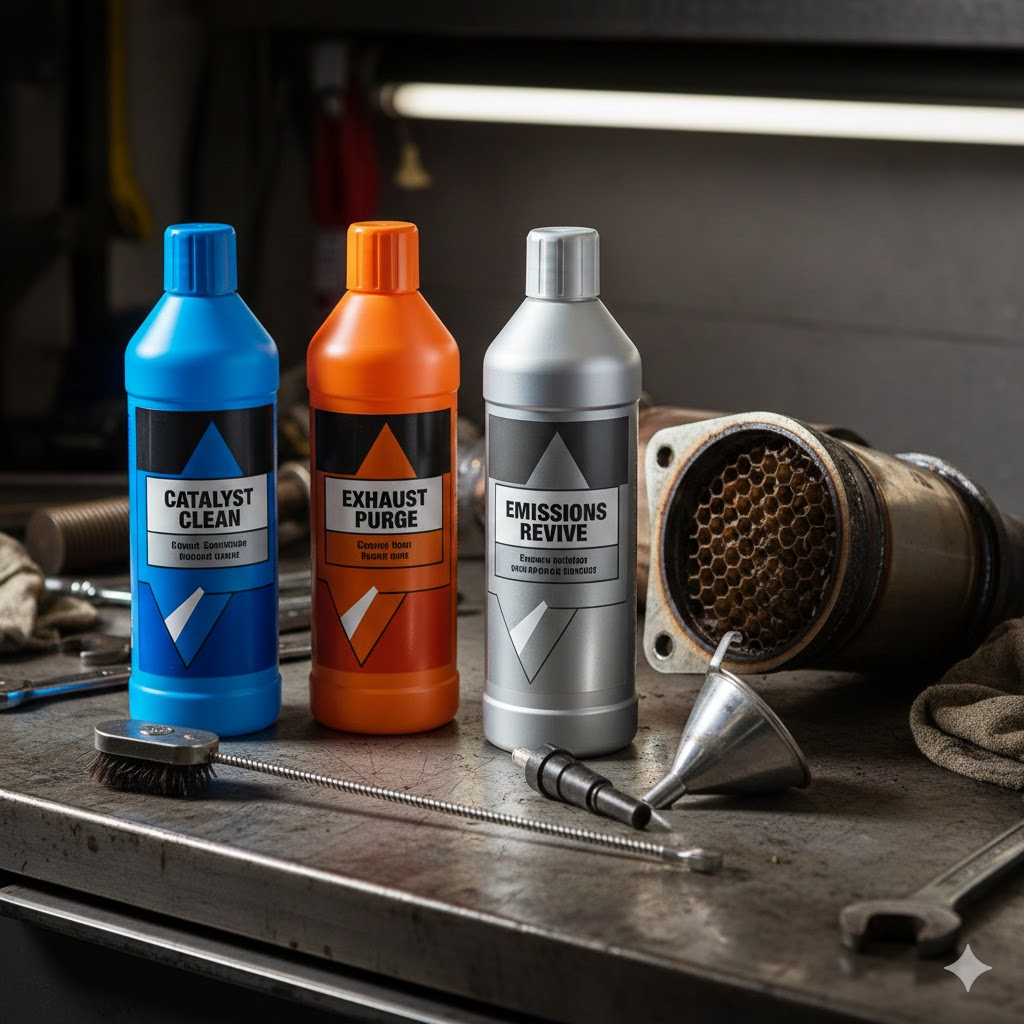
One of the most costly auto repair issues is a broken catalytic converter, which typically costs between $1,000 and $2,500 to replace. However, replacement is often not required. For a fraction of the price, the best catalytic converter cleaning can help restore performance, increase fuel efficiency, and even clear a check engine light if carbon buildup or emissions residue is the problem. A clogged catalytic converter is frequently indicated by symptoms like slow acceleration, decreased MPG, sulfur-like exhaust odors, or unsuccessful emissions tests.
Catalytic converter cleaners are specifically designed fuel additives that help your automobile run cleaner and more effectively by dissolving carbon deposits in the exhaust system, oxygen sensors, and fuel injectors. However, not every product produces the same outcomes. We evaluate and contrast the top catalytic converter cleaners in this guide based on their efficacy, safety, vehicle compatibility, and practical performance to assist you in selecting the finest option to prevent expensive repairs and maintain the smooth operation of your vehicle.

What Is a Catalytic Converter Cleaner?
A catalytic converter cleaner is a fuel additive that has been carefully prepared to remove unburned fuel residue and carbon deposits from the catalytic converter and associated exhaust components. These deposits build up over time as a result of excessive mileage, engine misfires, short running cycles, and poor fuel quality, which lessens the converter’s capacity to effectively filter hazardous pollutants.
A catalytic converter cleaner operates without removing any components, as contrast to mechanical cleaning or replacement. After being injected to the gasoline tank, it passes through the fuel and exhaust systems while driving normally, aiding in the dissolution of carbon accumulation on the surfaces of the combustion chamber, fuel injectors, oxygen sensors, and catalytic converter. This enhances engine performance overall, exhaust flow, and emissions efficiency.
In order to help restore appropriate air-fuel ratios and combustion efficiency, the majority of high-quality catalytic converter cleaners also serve as fuel system cleaners. These solutions are an affordable preventive maintenance option since they can lower emissions, increase fuel efficiency, remove catalytic converter-related check engine lights, and help cars pass emissions tests when used appropriately and in the early stages of clogging.
Read also: Catalytic Converter Replacement Cost
Signs You Need a Catalytic Converter Cleaner
Rarely does a catalytic converter get clogged overnight. When carbon accumulation and exhaust limitations start to impair performance, your car will typically show a number of warning indicators. Early detection of these signs and timely application of a catalytic converter cleaner can help restore efficiency and save expensive repairs.
Check Engine Light Is On
An illuminated check engine light is one of the first and most prevalent indicators of catalytic converter problems. Efficiency-related trouble codes like P0420 or P0430, which show that the catalytic converter is not successfully lowering emissions, are frequently the reason of this. A catalytic converter cleaner is a workable initial treatment because these codes are frequently caused by carbon accumulation rather than long-term harm.
Poor Acceleration and Reduced Engine Power
Backpressure develops in the engine when the catalytic converter becomes partially blocked, preventing exhaust gasses from flowing freely. This causes obvious power loss, slow acceleration, and delayed throttle response, particularly while driving on highways or on hills. A filthy catalytic converter could be limiting exhaust flow if your car feels weaker than usual.
Decreased Fuel Efficiency
Carbon deposits in the catalytic converter or exhaust system may be the cause of a sudden or gradual decrease in fuel economy without changes in driving habits; using a catalytic converter cleaner can help restore proper combustion and improve MPG. A failing catalytic converter can have a negative impact on your vehicle’s air–fuel ratio, forcing the engine to burn more fuel to maintain performance.
Strong Sulfur or Rotten Egg Smell from Exhaust
Hazardous gasses are transformed into less poisonous pollutants by a healthy catalytic converter. The exhaust may smell strongly of sulfur or rotten eggs if it gets clogged or polluted and is unable to break down hydrogen sulfide. This smell is a blatant indication that the catalytic converter needs to be cleaned because it is not operating well.
Failed or Near-Failed Emissions Test
One of the main signs of catalytic converter inefficiency is failing or barely passing an emissions test. Carbon accumulation in the exhaust system is frequently indicated by high readings of hydrocarbons (HC), carbon monoxide (CO), or nitrogen oxides (NOx). In order to reduce emissions and enhance test results, many drivers effectively utilize catalytic converter cleaners just before retesting.
Rattling Noises from the Exhaust (Early Stage Only)
Light rattling sounds coming from the exhaust in the early stages could be a sign of residue or carbon particle accumulation inside the catalytic converter. While minor noise paired with other symptoms may still be the result of contaminants that a cleaner may treat, loud rattling frequently indicates interior damage (which cleaners cannot heal).
When a Cleaner Can Help—and When It Can’t
For mild to moderate carbon buildup, catalytic converter cleaners are most effective. A cleaning won’t fix the problem if your converter is physically broken, melted, or totally blocked. However, employing a high-quality catalytic converter cleaner might be an efficient, affordable treatment when these symptoms manifest early.
Does Catalytic Converter Cleaner Really Work?
Cleaners for catalytic converters are effective, but only under certain situations. These solutions are intended to eliminate carbon buildup, fuel residue, and emissions-related deposits that gradually build up inside the exhaust system and catalytic converter. A high-quality catalytic converter cleaner can enhance performance, lower hazardous emissions, and restore efficiency when applied properly and early in the clogging process.
When the converter is partially blocked rather than physically damaged, catalytic converter cleaners work best. Carbon buildup can be caused by common factors such short journeys, incomplete combustion, low fuel quality, and small engine misfires. In these situations, cleansers improve exhaust flow and emissions control by aiding in the breakdown of deposits and allowing them to burn off during regular driving.
Catalytic converter cleaners are hardly a magic bullet, though. No cleaning can fix a converter that has been severely overheated or neglected to the point where it is melted, cracked, or totally clogged. Replacement is the sole option in these circumstances. However, many drivers successfully employ cleaners to improve fuel economy, pass emissions tests, and clear check engine lights connected to catalytic converters—especially when used in conjunction with safe highway driving.
When Catalytic Converter Cleaners Are Most Effective
-
Mild to moderate carbon buildup
-
Early-stage catalytic converter efficiency codes
-
Vehicles used primarily for short trips
-
Pre-emissions test preparation
-
Preventive maintenance for high-mileage vehicles
When a Cleaner Will Not Work
-
Physically damaged or melted catalytic converter
-
Severe exhaust blockage
-
Persistent engine misfires or oil-burning issues
-
Ignoring underlying mechanical problems
How to Use a Catalytic Converter Cleaner Correctly (Step-by-Step Guide)
For optimal results, a catalytic converter cleaning must be used correctly. Even if the procedure is straightforward, adhering to the right procedures guarantees that the cleaner can efficiently degrade carbon deposits and raise catalytic converter efficiency.
Step 1: Choose the Right Catalytic Converter Cleaner
Cleaners are not all made equal. Choose a premium catalytic converter cleaning that works with the kind of car you drive—gasoline, diesel, or hybrid. Verify the product’s safety for oxygen sensors and fuel system components by consulting the manufacturer’s instructions.
Step 2: Add the Cleaner to a Low Fuel Tank
When your fuel tank is about ¼ full or less, add the cleaner for best results. This enhances the cleaner’s capacity to dissolve carbon deposits throughout the exhaust system by enabling it to combine with the gasoline at a higher concentration.
Step 3: Drive at Highway Speeds
Drive your car normally, including at highway speeds, for 15 to 30 minutes after adding the cleaner. Increased exhaust temperatures aid in the cleaner’s activation and burn off carbon deposits that have been released by the oxygen sensors and catalytic converter.
Step 4: Refill the Fuel Tank
Fill up your petrol tank when the first driving cycle is over. This facilitates the removal of leftover residue and permits the cleaner to carry on working during the upcoming driving sessions.
Step 5: Monitor Performance and Warning Lights
Watch for changes in dashboard warning lights, fuel efficiency, and engine performance over the course of the following few days. Improvements are frequently apparent after one or two driving cycles. Additional testing might be necessary if the check engine light continues.
How Often Should You Use a Catalytic Converter Cleaner?
-
For preventive maintenance: Every 3,000–5,000 miles
-
For emissions issues: Before an emissions test
-
For high-mileage vehicles: Every oil change or as recommended
Read also: How Much Is a Turbo Charger?
Best Catalytic Converter Cleaners (Top Picks Reviewed)
You can save thousands of dollars on repairs by selecting the best catalytic converter cleaner—but only if you choose a solution that truly works. With dozens of fuel additives available, it’s crucial to concentrate on cleaners designed particularly to eliminate carbon accumulation from the exhaust system and catalytic converter rather than merely generic fuel treatments.
We studied and evaluated the best catalytic converter cleaners based on their efficacy, vehicle compatibility, usability, user feedback, and cost-effectiveness to assist you in making the best decision. The top choices accessible right now are listed below.
Cataclean Engine and Catalytic Converter Cleaner (Best Overall)

Because of its potent carbon-removal composition and wide range of vehicle compatibility, Cataclean is considered the best catalytic converter cleaner overall. It is a comprehensive emissions-system solution because it is made to clean not just the catalytic converter but also the fuel injectors, combustion chambers, and oxygen sensors.
In order to safely remove carbon deposits during regular driving, Cataclean lowers the temperature at which they burn off. It can help restore exhaust flow, enhance throttle responsiveness, and lessen emissions-related check engine lights when used as prescribed.
Key Benefits:
-
Targets carbon buildup in the catalytic converter
-
Helps clear catalytic converter efficiency codes
-
Improves fuel economy and engine performance
-
Safe for gasoline, diesel, and hybrid vehicles
-
Easy one-bottle treatment
Pros:
-
Highly effective for mild to moderate clogging
-
Trusted brand with strong real-world results
-
Can help vehicles pass emissions tests
Cons:
-
Not effective for severely damaged converters
-
Requires highway driving for best results
Best For:
Drivers who exhibit early indicators of poor fuel efficiency, clogged catalytic converters, or problems with emissions tests.
Verdict:
Cataclean continues to be the best catalytic converter cleaning for the majority of cars if you’re looking for a dependable, tested, and simple option.
Liqui Moly Catalytic System Cleaner (Best for European & High-Performance Engines)

High-end German-engineered Liqui Moly Catalytic System Cleaner is renowned for its superior composition and efficacy on a variety of cars, particularly European and high-performance engines.
Liqui Moly’s solution is designed to address stubborn carbon buildup in both the combustion chamber and exhaust system, increasing efficiency overall, whereas many catalytic converter cleaners just concentrate on fuel system cleaning.
This cleaner, in contrast to some simple fuel additives, has sophisticated detergents and catalysts that improve combustion, lowering hazardous emissions and restoring exhaust flow. It works especially well with cars that have complicated fuel injection systems or turbocharging, which can lead to carbon accumulation.
Key Benefits:
-
Premium formulation with advanced cleaning agents
-
Effective for high-performance and European vehicles
-
Helps reduce emissions and improve fuel combustion
-
Safe for catalytic converters, oxygen sensors, and fuel system components
-
Works with gasoline and diesel engines
Pros:
-
Excellent at reducing stubborn carbon deposits
-
Boosts engine efficiency and emissions performance
-
Trusted brand with strong automotive industry reputation
Cons:
-
More expensive than entry-level cleaners
-
Requires thorough highway driving to activate fully
Best For:
Owners of high-performance, turbocharged, or European cars that, as a result of engine design and operating conditions, tend to accumulate carbon deposits more quickly.
Verdict:
If you’re looking for a high-end solution with a wide range of uses, Liqui Moly’s Catalytic System Cleaner is a great option, particularly for cars where regular cleaners could have trouble. For enthusiasts, performance drivers, and those seeking long-term preventative maintenance, it’s perfect.
CRC Guaranteed to Pass Emissions Test Formula (Best for Emissions Results)
For drivers who need to reduce emissions fast and consistently, the CRC Guaranteed to Pass Emissions Test Formula is a targeted catalytic converter and emissions system cleaning. As the name implies, this solution is designed to assist cars pass emissions testing by using deep carbon removal to lower levels of hydrocarbons (HC), carbon monoxide (CO), and nitrogen oxide (NOx).
Focused action on the fuel system and combustion chamber, where most carbon deposits accumulate, is what distinguishes CRC. For cars that narrowly failed an emissions test the first time, this dual-action strategy is a wise option because it guarantees that exhaust flow improves and hazardous emissions drop.
Key Benefits:
-
Specifically formulated to assist in passing emissions tests
-
Cleans carbon buildup in the fuel system, combustion chamber, and exhaust
-
Can help reset catalytic converter efficiency
-
Compatible with gasoline and light-duty diesel engines
-
Affordable price point for targeted results
Pros:
-
Excellent for vehicles preparing for emissions inspections
-
Works on a variety of engine types
-
Easy to use — add to the fuel tank and drive
Cons:
-
Less effective as a preventive maintenance product
-
Not as comprehensive for turbo or performance engines
-
Results vary by degree of converter clogging
Best For:
Drivers who have failed emissions tests or those who want to improve emissions performance in a timely and economical manner.
Verdict:
CRC’s Guaranteed to Pass Emissions Test Formula is a great option if emissions compliance is your main concern. It’s among the best at addressing emissions-related catalytic converter problems, but it’s not the most complete cleaning available.
Sea Foam Motor Treatment (Best Multi-Purpose Cleaner)

Sea Foam Motor Treatment is a multipurpose fuel system and engine additive that helps remove carbon deposits from your car’s fuel and exhaust systems. It is more than just a catalytic converter cleaner. Its strong carbon-removal capabilities make it one among the most well-liked multipurpose cleansers available, even though it isn’t advertised exclusively for catalytic converters.
Gum, varnish, carbon deposits, and other impurities in the fuel injectors, intake valves, combustion chamber, and exhaust components—including the catalytic converter—are loosened and dissolved by this substance. Both expert technicians and do-it-yourselfers trust sea foam because it is safe to use in gasoline and diesel engines.
Key Benefits:
-
Helps break down carbon deposits in multiple engine systems
-
Supports catalytic converter efficiency and fuel economy
-
Safe for oxygen sensors and emission components
-
Works with gasoline and diesel engines
-
Can be used as a fuel treatment or intake additive
Pros:
-
Excellent all-around performance for fuel and exhaust cleaning
-
Affordable and widely available
-
Can improve idling smoothness and reduce rough starts
Cons:
-
Not as targeted specifically for catalytic converters compared with dedicated cleaners
-
Requires multiple treatments for heavily clogged systems
Best For:
As part of general fuel system maintenance, car owners are searching for a multipurpose engine and exhaust cleaner that also enhances catalytic converter efficiency.
Verdict:
Because it addresses carbon buildup in multiple engine systems, not just the converter, Sea Foam is the greatest multipurpose cleaner. Sea Foam is a wise and affordable option if you’re looking for a product that helps your catalytic converter and enhances engine health overall.
Dura Lube Severe Catalytic & Exhaust Treatment (Best Budget Option)

For drivers who want efficient carbon removal without breaking the bank, Dura Lube Severe Catalytic & Exhaust Treatment is an affordable catalytic converter cleaner. Dura Lube offers good performance for the price and is perfect for car owners on a tight budget or those dealing with mild to moderate buildup, even though it does not have the luxury composition of more expensive solutions.
By binding to fuel molecules, this cleaner aids in the breakdown of carbon, soot, and combustion byproducts that may build up in the fuel system, oxygen sensors, and catalytic converter. When used as instructed, it doesn’t damage fuel-system components and is safe for both gasoline and diesel engines.
Key Benefits:
-
Affordable price point
-
Helps dissolve light to moderate carbon buildup
-
Safe for catalytic converters, fuel injectors, and oxygen sensors
-
Works with gasoline and light-duty diesel engines
-
Easy to use — just pour into fuel tank
Pros:
-
Excellent value for money
-
Simple, no-fuss application
-
Good choice for preventive maintenance
Cons:
-
Less effective for heavy carbon buildup
-
Not as strong as premium catalytic converter cleaners
-
May require multiple treatments for optimal results
Best For:
Drivers looking for an inexpensive catalytic converter cleaning to preserve performance or deal with early indications of converter inefficiency.
Verdict:
Dura Lube Severe Catalytic & Exhaust Treatment is among the best value choices available if you’re searching for a simple, efficient cleaner that completes the task at a reasonable price. It may require repeated usage for more severe accumulation, but it’s particularly beneficial for preventive use and minor emissions issues.
How to Choose the Best Catalytic Converter Cleaner (Buyer’s Guide)
Selecting the best catalytic converter cleaner can be difficult due to the abundance of options available. This buyer’s guide breaks down the most crucial elements to take into account so you can choose a cleaner that meets the needs of your car and produces tangible results.
1. Targeted Formulation vs. Multi-Purpose Cleaners
Catalytic converter cleaners fall into two main categories:
Targeted cleaners:
-
Designed specifically for catalytic converter and emissions-related carbon buildup
-
Ideal if you’re dealing with converter efficiency codes or failed emissions tests
Multi-purpose cleaners:
-
Clean the entire fuel and exhaust system
-
Great for overall engine health and preventive maintenance
If your main issue is emissions, go for a targeted cleaner; if you want more general cleaning benefits, go for a multipurpose solution.
2. Vehicle Compatibility
Ensure the product is suitable for your engine type:
-
Gasoline engines — Most cleaners are compatible
-
Diesel engines — Look for explicit diesel support
-
Hybrid vehicles — Some cleaners are safe for hybrid powertrain systems
-
Turbocharged engines — Premium formulations often perform better
To prevent harming fuel system components, refer to the manufacturer’s instructions on the bottle or product page.
3. Degree of Carbon Buildup
Severity matters:
-
Mild buildup: Most cleaners can help
-
Moderate buildup: Choose a stronger or high-grade cleaner
-
Severe clogging or physical damage: No cleaner can fix it — replacement may be necessary
Start with a mid-strength cleaner and keep an eye on performance improvements if you’re not sure how clogged your catalytic converter is.
4. Ease of Use
The majority of catalytic converter cleansers are relatively simple to apply because they are pour-in fuel additives. Nevertheless, look for:
-
Clear instructions
-
Whether highway driving is recommended
-
Whether multiple treatments are suggested
The simpler and clearer the instructions, the more likely you’ll get good results.
5. Safety for Sensors & Components
A quality cleaner should be safe for oxygen sensors, fuel injectors, and emission components. Cheaper products can sometimes cause issues if they’re too harsh or leave behind unwanted residue.
Always choose sensor-safe formulations to protect your vehicle’s emissions system.
6. Price and Value
Price isn’t everything, but it matters:
-
Budget options — Good for preventive maintenance and early signs
-
Premium options — Better for tougher buildup and performance engines
-
Mid-range options — Best balance of cost and effectiveness
Remember: Spending a bit more on a quality cleaner can save money by avoiding catalytic converter replacement.
Frequently Asked Questions (FAQs) About Catalytic Converter Cleaners
What does a catalytic converter cleaner do?
A specifically designed fuel additive called a catalytic converter cleanser aids in the dissolution of carbon deposits and emissions-related buildup within the exhaust system and catalytic converter. The cleaner can enhance exhaust flow, lower hazardous emissions, and increase engine performance without removing parts by lowering these deposits. Along the route, it frequently cleans oxygen sensors and fuel injectors.
How long does it take for a catalytic converter cleaner to work?
When they combine with fuel and are burned during regular driving, the majority of catalytic converter cleansers start to function. However, after one or two driving cycles—especially if you incorporate highway driving—noticeable improvements frequently appear. After adding the cleaner, drive the car at highway speeds for 15 to 30 minutes for optimal results.
Can a catalytic converter cleaner fix a check engine light?
Yes, but only in certain circumstances. When the problem is due to carbon accumulation rather than physical damage, catalytic converter cleaners can assist clear check engine lights associated with catalytic converter efficiency codes (such as P0420 and P0430). Additional diagnosis could be required if the check engine light continues after treatment.
Is it safe to use catalytic converter cleaner with oxygen sensors?
Superior catalytic converter cleaners are designed to be safe for fuel injectors, oxygen sensors, and other emission components. Make sure the product you select clearly indicates that it is sensor-safe and always adhere to the manufacturer’s instructions.
How often should I use a catalytic converter cleaner?
For most vehicles, using a catalytic converter cleaner:
-
Preventively: every 3,000–5,000 miles
-
Before an emissions test: 1–2 tanks before inspection
-
For high-mileage vehicles: with routine maintenance
Frequent use isn’t necessary unless your vehicle regularly encounters carbon buildup conditions (short trips, poor fuel quality).
Can catalytic converter cleaners damage my engine?
Catalytic converter cleansers are typically safe for engines and exhaust systems when used as prescribed. However, using subpar additives or going over recommended dosages may damage fuel components or sensors. Use trustworthy brands and pay close attention to directions.
Will a catalytic converter cleaner work on a completely blocked converter?
No, catalytic converter cleaners work well for mild to moderate carbon accumulation but not for complete blockage or physical harm. A converter will probably need to be changed if it is melted, damaged, or extremely blocked.
Can a catalytic converter cleaner improve fuel economy?
Yes, in many cases! Catalytic converter cleaners can assist reestablish the ideal air-fuel mixture, which may result in increased fuel efficiency, by eliminating carbon deposits and enhancing exhaust flow. Improvements, however, differ based on the state of the car.
What should I do if the cleaner doesn’t fix the problem?
If symptoms persist after using a catalytic converter cleaner:
-
Have the trouble codes scanned by a mechanic
-
Check for underlying issues (misfires, oxygen sensor failure, fuel system problems)
-
Consider mechanical cleaning or replacement if the converter is damaged
Are catalytic converter cleaners compatible with all vehicles?
The majority of catalytic converter cleaners are compatible with a variety of gasoline and diesel engines; nevertheless, always check the product label for vehicle compatibility. Performance engines and hybrids can safely use certain cleansers.
Conclusion
When issues are identified early on, using the finest catalytic converter cleaning is an affordable approach to minimize emissions, enhance engine efficiency, and lessen carbon buildup. By restoring efficiency, these cleaners may be able to avoid the costly replacement of catalytic converters.
While options like CRC, Liqui Moly, Sea Foam, and Dura Lube cater to particular demands and budgets, Cataclean Engine and Catalytic Converter Cleaner is generally the best all-around choice for the majority of automobiles. You can prolong the life of your catalytic converter and maintain the smooth operation of your car by selecting and utilizing the proper cleaning.
-

 Car Problems9 months ago
Crankshaft Pulley: Symptoms of Failure, Replacement Cost & Function
-

 Car Problems9 months ago
Cylinder Head Temperature Sensor: Function, Symptoms & Replacement Cost
-

 Car Problems9 months ago
How Much Is a Turbo Charger?
-

 Car Problems9 months ago
Variable Valve Timing Solenoid – Symptoms, Location, Function & Replacement Cost
-

 Check Engine Light9 months ago
Camshaft Position Sensor Replacement
-

 Costs9 months ago
Catalytic Converter Replacement Cost
-

 Car Problems9 months ago
Best Catalytic Converter Cleaner
-

 Car Problems9 months ago
How to Clean a Catalytic Converter Safely and Effectively